
Building and construction form the foundation of modern infrastructure. These industries shape cities, create homes, and drive economic growth worldwide. But what exactly do these terms mean, and how do they differ?
This guide breaks down building and construction in clear terms. It covers definitions, project types, the construction process, and career opportunities. Whether someone is exploring a career change or simply curious about how structures come to life, this overview provides the essential knowledge they need.
Table of Contents
ToggleKey Takeaways
- Building refers to enclosed structures like homes and offices, while construction is the broader process that includes roads, bridges, and all infrastructure.
- The building and construction industry contributed over $2 trillion to U.S. GDP in 2023, making it a major economic driver.
- Construction projects fall into five main categories: residential, commercial, industrial, infrastructure, and institutional.
- Every building and construction project follows four key phases: planning and design, pre-construction, construction, and post-construction.
- Career opportunities range from skilled trades like electricians and plumbers to project managers and architects, with salaries from $35,000 to over $100,000.
- The Bureau of Labor Statistics projects steady job growth in building and construction through 2032, driven by sustainable building and infrastructure renewal.
Defining Building and Construction
Building and construction are related but distinct concepts. Understanding each term helps clarify how projects move from concept to completion.
Building refers to the physical structure itself. A building is any enclosed structure with walls, a roof, and a foundation. Houses, offices, hospitals, and schools are all buildings. The term also describes the act of creating these structures.
Construction is the broader process of assembling infrastructure. It includes buildings, but also covers roads, bridges, tunnels, and utility systems. Construction encompasses planning, design, material procurement, and physical assembly.
Think of it this way: all building is construction, but not all construction involves buildings. A highway project is construction, but it doesn’t create a building. A new apartment complex involves both building and construction.
The building and construction industry employs millions of workers globally. In the United States alone, the construction sector contributed over $2 trillion to GDP in 2023. This makes understanding building and construction essential for anyone interested in infrastructure development.
Key Differences Between Building and Construction
People often use building and construction interchangeably. But, important distinctions exist between these terms.
Scope of work differs significantly. Building focuses on creating enclosed, habitable structures. Construction covers a wider range of projects, including infrastructure that people don’t occupy.
Regulations and codes vary between the two. Building projects must comply with specific building codes that address safety, accessibility, and structural integrity. Construction projects follow broader regulations depending on project type.
Professional roles also differ. Architects primarily work on building projects, designing spaces for human use. Civil engineers often lead construction projects involving roads, bridges, and public works.
Here’s a quick comparison:
| Aspect | Building | Construction |
|---|---|---|
| Focus | Enclosed structures | All infrastructure |
| Examples | Homes, offices, hospitals | Roads, bridges, dams, buildings |
| Primary codes | Building codes | Varies by project type |
| Key professionals | Architects, builders | Civil engineers, contractors |
Understanding these differences matters for project planning, licensing, and career decisions. Someone interested in residential work might focus on building, while infrastructure enthusiasts might pursue broader construction roles.
Types of Construction Projects
The building and construction industry includes several project categories. Each type requires specific skills, equipment, and expertise.
Residential Construction
Residential construction creates housing for individuals and families. This includes single-family homes, apartments, condominiums, and townhouses. Residential building and construction projects range from custom homes to large housing developments.
Commercial Construction
Commercial construction focuses on business-use structures. Office buildings, retail stores, restaurants, and hotels fall into this category. These projects often require larger budgets and longer timelines than residential work.
Industrial Construction
Industrial construction builds facilities for manufacturing and production. Factories, warehouses, power plants, and refineries are industrial projects. These structures require specialized systems for heavy machinery and safety compliance.
Infrastructure Construction
Infrastructure construction creates public systems and utilities. Roads, highways, bridges, airports, and water treatment plants are infrastructure projects. Government agencies typically fund and oversee this type of construction.
Institutional Construction
Institutional construction serves public and community needs. Schools, universities, hospitals, and government buildings belong to this category. These building and construction projects prioritize functionality and long-term durability.
The Construction Process Explained
Every building and construction project follows a structured process. This framework ensures projects meet quality standards, stay on budget, and finish on time.
Planning and Design
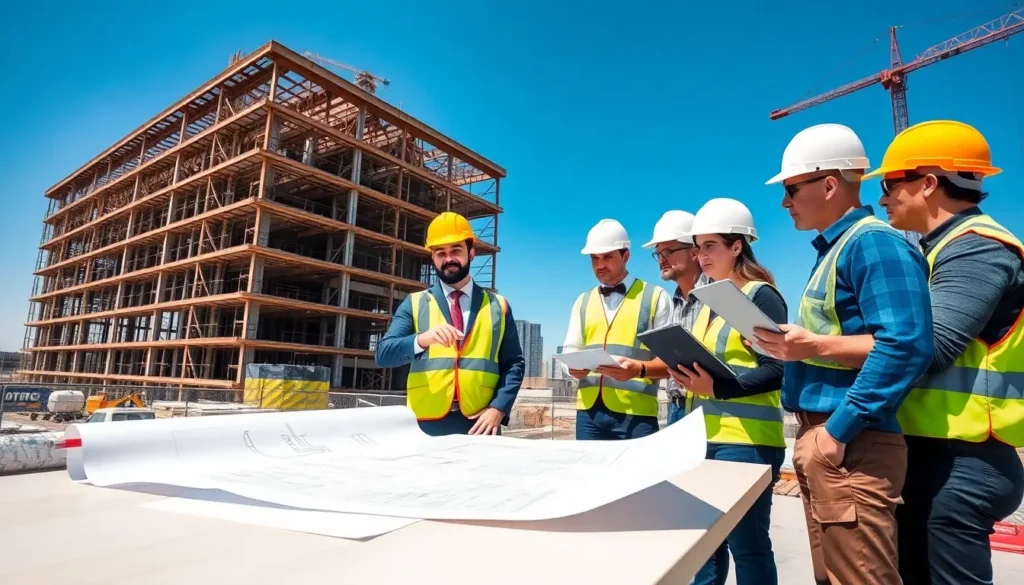
Projects begin with planning and design. Owners identify their needs and budget. Architects and engineers create drawings and specifications. This phase includes site surveys, feasibility studies, and permit applications.
Pre-Construction
Pre-construction prepares the project for actual building work. Contractors finalize schedules and budgets. Teams order materials and secure subcontractors. Site preparation may begin during this phase.
Construction Phase
The construction phase is where physical work happens. Crews break ground, pour foundations, and erect structures. This phase follows a logical sequence: foundation, framing, mechanical systems, and finishing work. Project managers coordinate multiple teams to maintain progress.
Post-Construction
Post-construction wraps up the project. Teams complete final inspections and address any issues. Owners receive documentation, warranties, and training on building systems. The structure is now ready for occupancy or use.
Building and construction projects can take months or years depending on size and complexity. A single-family home might take six months, while a skyscraper could require several years.
Careers and Industries in Building and Construction
Building and construction offer diverse career paths. The industry needs professionals at every skill level, from entry-level laborers to senior executives.
Skilled trades form the backbone of construction work. Carpenters, electricians, plumbers, and masons perform hands-on building tasks. These roles typically require apprenticeships or vocational training.
Project management coordinates all aspects of construction work. Project managers oversee schedules, budgets, and teams. They solve problems and keep projects moving forward.
Design professionals create the plans that guide construction. Architects design buildings, while engineers ensure structural integrity. These roles require college degrees and professional licensing.
Specialty contractors focus on specific building systems. HVAC technicians, roofers, and concrete specialists are examples. These professionals bring expertise to particular aspects of construction.
The building and construction industry continues to grow. The Bureau of Labor Statistics projects steady job growth through 2032. Demand for sustainable building practices and infrastructure renewal drives this expansion.
Salaries vary widely based on role and experience. Entry-level positions start around $35,000 annually. Experienced project managers and engineers can earn $100,000 or more.