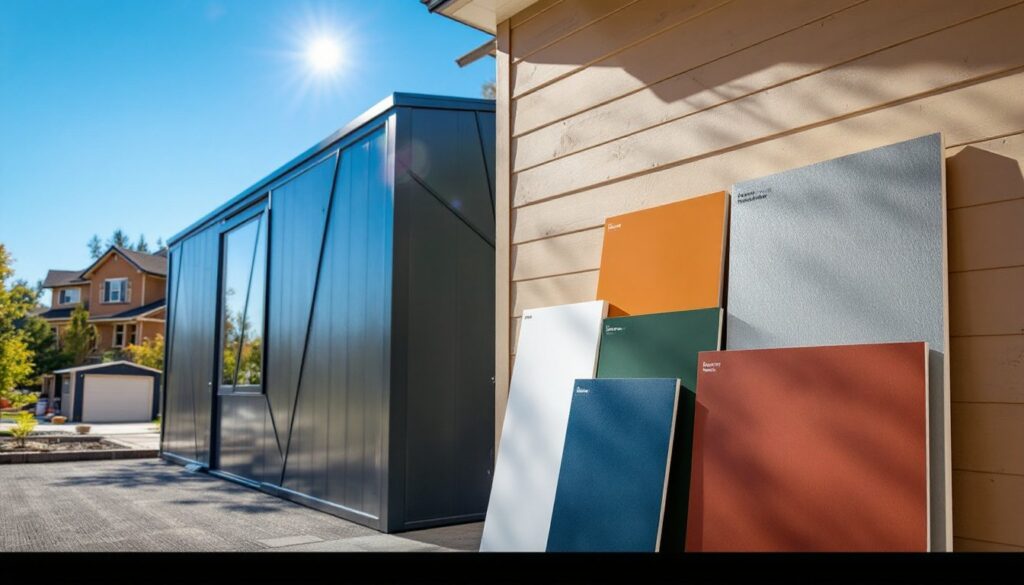

Metal buildings have become a go-to choice for homeowners tackling everything from backyard workshops to full garage expansions. Their durability, low maintenance, and modern aesthetic make them practical investments. But here’s the catch: choosing the right metal building color scheme can make or break the entire look. Unlike traditional construction, metal surfaces reflect light differently and wear in distinct ways. The color you select doesn’t just impact curb appeal, it affects how heat reflects, how quickly the building shows dirt or damage, and how well it coordinates with your home’s existing palette. Let’s walk through how to pick colors that’ll serve you well for years to come.
Table of Contents
ToggleKey Takeaways
- Metal building color schemes significantly impact both function and appearance, influencing heat reflection, durability, and how well the structure integrates with your home’s design.
- Neutral tones like galvanized silver, charcoal gray, and deep brown offer timeless appeal and hide weathering effectively, making them reliable choices across different climates and architectural styles.
- Dark colors absorb heat and increase interior temperatures by 15-20°F, while light colors reflect heat but show dirt and oxidation faster—choose based on your climate and maintenance preferences.
- Bold colors like forest green, rust red, and black create striking visual impact but require confidence in design thinking and consideration of heat absorption and weathering visibility.
- Always test metal building colors using 12″×18″ physical sample panels in actual site lighting at different times of day for 2-4 weeks before ordering, preventing costly $5,000+ repainting mistakes.
- Humid coastal regions benefit from darker tones and advanced coatings like Kynar 500 to resist salt corrosion, while hot arid climates should prioritize light-reflective finishes for temperature control.
Why Metal Building Colors Matter
Color choice on a metal building goes beyond aesthetics. The finish you pick influences how your structure functions and how long it lasts. Dark colors absorb more heat, which can increase interior temperatures during summer, a real issue if you’re storing temperature-sensitive items or working inside during hot months. Light colors reflect heat, keeping interiors cooler but sometimes looking washed-out or showing every dust particle more readily.
Metal surfaces oxidize and develop patina over time, and certain colors mask weathering better than others. A darker shade might hide light rust spots: a lighter shade shows them immediately. Your building color also sets the tone for your entire property. A well-chosen scheme ties your new structure visually to your home, making the addition feel intentional rather than tacked-on.
Building codes rarely dictate metal color, but HOA guidelines sometimes do. Check your covenants before ordering materials, it’s far cheaper than repainting after installation. The psychological effect matters too: warm earth tones feel grounded and traditional, while grays and silvers read modern and industrial. Understanding these principles helps you avoid costly regrets.
Classic and Timeless Color Combinations
The safest bet for metal buildings remains neutral, understated palettes. These colors work across architectural styles, climates, and design trends, meaning your building won’t look dated in five years.
Neutral Tones That Work Everywhere
Galvanized silver is the default for many metal buildings and for good reason. It’s affordable, neutral, and doesn’t scream “metal shed” if chosen well. Galvanized finishes range from bright reflective to matte-finish options. The matte version photographs better and integrates more seamlessly with residential neighborhoods. Bright galvanized reflects so much light it can feel industrial, though it’s unbeatable for heat reflection in hot climates.
Charcoal gray has become the modern workhorse. It’s dark enough to hide minor rust stains and weathering, yet sophisticated enough to pair with contemporary homes. Charcoal doesn’t absorb heat as aggressively as black but still provides some thermal advantage over lighter options. This color pairs beautifully with steel-framed windows and modern trim details.
Warm white or cream works if your main house is painted similarly. These colors demand pristine maintenance, they show dirt and oxidation fast. But in regions with low humidity and minimal air pollution, white can look sharp for years. Avoid pure white if your structure sits near tree lines: pollen and sap stain it immediately. Many homeowners choose these tones paired with darker roofing for visual contrast.
Deep brown or bronze is an underrated option that grounds a metal structure visually. These earth tones complement stone, brick, or wood siding and work well on rural or wooded properties. Brown hides weathering exceptionally well and coordinates naturally with landscape elements. It’s less popular than gray, so your building won’t blend into every neighborhood, that’s either a strength or weakness depending on your aesthetic goals.
Bold Colors for Maximum Impact
If you want your metal building to stand out, bold colors deliver immediate presence. These choices require confidence and intentional design thinking, but when done right, they elevate a structure from purely functional to genuinely striking.
Deep forest green pairs exceptionally well with modern architecture and natural settings. It’s bold without being loud and works across seasons without looking washed-out. Green reads as sophisticated rather than trendy if you avoid neon or artificial-looking tones. This color requires some maintenance visibility, dirt shows on green, but it’s substantially more forgiving than lighter tones.
Rust or terracotta red brings warmth and personality. These colors feel intentional and work beautifully on properties with warm-toned exteriors or surrounding vegetation. Red does show weathering, so inspect your metal roofing regularly and plan touch-ups every 3-5 years if the finish is exposed. This option appeals to homeowners seeking a distinctive, memorable look.
Black or very dark charcoal creates maximum contrast and modern appeal. Paired with large windows or modern trim details, black metal buildings command attention. The downside: heat absorption is significant, and in direct sunlight, interior temperatures can spike 15-20°F higher than with lighter colors. This works best for structures with adequate ventilation or passive cooling design.
When choosing bold colors, order large sample panels (at least 12″ × 12″) from your metal supplier and view them in your actual property lighting throughout the day. What looks perfect under showroom lights might overwhelm your space in natural sunlight. These panels are inexpensive insurance against $2,000-$5,000 repainting jobs.
Choosing Colors Based on Climate and Environment
Your local climate should heavily influence color selection. A color choice that thrives in Arizona might fail in humid coastal regions.
Hot, arid climates benefit from light-reflective finishes, silvers, whites, light grays. These colors keep interior temperatures significantly cooler, reducing HVAC strain if your building is climate-controlled. Dark colors in these regions absorb so much heat that metal surfaces can become uncomfortable to touch. Dust and sand accumulation is common, so slightly darker neutrals might hide particulate better than pure white.
Humid, coastal regions experience salt-spray corrosion and accelerated oxidation. Lighter colors show this weathering immediately: darker tones mask it. Consider Kynar 500 or Polyvinylidene Fluoride (PVDF) coatings rather than basic painted finishes, they resist salt corrosion far better. Darker grays, charcoals, or browns are practically better choices than whites or bright silvers in these environments.
Heavily wooded or shaded areas suit darker tones because light colors gather mold, algae, and tree debris. Dark finishes hide these blemishes while lighter colors turn streaky and dingy. The trade-off is less heat reflection, but shaded buildings don’t absorb much solar heat anyway.
Research your region’s humidity levels, average temperatures, and precipitation patterns before finalizing color. Local metal building contractors often have insights about which colors hold up best in your specific area, it’s worth asking. Many warranty programs for metal coatings vary by color, so check the fine print. Lighter colors sometimes carry shorter warranty periods because they show damage more readily.
Testing and Finalizing Your Color Selection
Never order a full metal building in an untested color. Physical samples are non-negotiable when making this decision.
Step 1: Request color samples from your supplier. Most metal building manufacturers provide painted metal sample panels in standard color options. Request at least 2-3 colors you’re seriously considering, each roughly 12″ × 18″ in size. These cost $20-$50 each and prevent $5,000+ mistakes.
Step 2: View samples in actual site lighting. Tape or lean samples against your existing house exterior at several locations. Observe them in morning light, afternoon sun, and evening light. Colors shift dramatically depending on angle and time of day. A color perfect at 2 PM might feel off at 7 AM.
Step 3: Check how samples weather. Leave sample panels exposed for 2-4 weeks if possible. This shows how quickly the finish oxidizes, how dirt accumulates, and whether the color fades. Photographs of the samples before and after reveal aging patterns. Some manufacturers have online color visualizers or augmented reality tools, these help but don’t replace physical samples.
Step 4: Compare against your home’s existing colors and trim. Lay samples next to your house paint, roofing, and any existing metal elements like gutters or window frames. Harmony across materials creates cohesion: stark contrasts can feel chaotic. If your home’s exterior uses warm tones, echo those in your building color for visual unity.
Step 5: Document your final choice. Once you’ve decided, request written confirmation of the exact color code, finish type, and any warranty details from your supplier. Most manufacturers use naming systems (like “Charcoal Gray 2400” or “Burnished Slate”) that ensure you receive consistent material. During installation, visually confirm that delivered materials match your approved samples before installation begins.
Conclusion
Metal building color selection isn’t trivial, it’s a decision that affects function, durability, and curb appeal for decades. Whether you choose timeless neutrals, bold statement colors, or climate-responsive tones, using physical samples and understanding your environment is non-negotiable. Spend time with color samples in actual daylight before ordering, coordinate with your home’s existing palette, and don’t hesitate to ask local contractors which colors have proven durable in your area. A thoughtful color choice transforms a metal structure from a utilitarian addition into a genuinely integrated part of your property’s design.