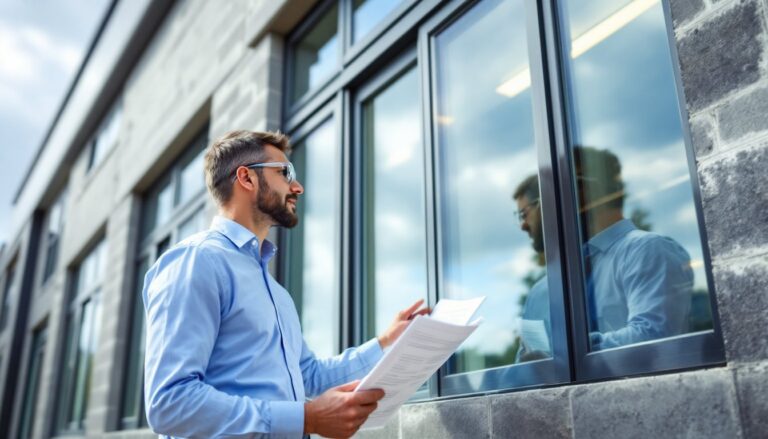

Replacing windows in a commercial building isn’t a weekend DIY project, but understanding what’s involved helps you manage the work effectively and protect your investment. Whether you’re managing a small office suite or an entire strip mall, window replacement affects energy costs, tenant comfort, and your building’s curb appeal. This guide walks you through the essentials: why replacement matters, what materials work best, how to budget realistically, and what to expect during the actual process. Armed with this knowledge, you’ll be better equipped to discuss the project with contractors, spot potential issues, and ensure the work meets your building’s needs.
Table of Contents
ToggleKey Takeaways
- Commercial building window replacement improves energy efficiency, tenant retention, and property value, with typical costs ranging from $300 to $1,200+ per window depending on material and performance options.
- Double-glazing with Low-E coatings and argon gas fill reduces heat loss by 10–20% upfront but recovers that investment through energy savings in 5–7 years, making it standard for modern commercial buildings.
- Proper installation of water-resistive barriers, flashing, and sealants is critical to prevent costly water damage and mold, so selecting reputable contractors with warranties and detailed specifications prevents failures later.
- Before replacing windows, audit your building’s existing conditions, verify local building codes and permit requirements, and get at least three detailed quotes to avoid mid-project surprises and hidden costs.
- Quarterly maintenance inspections, regular cleaning, and prompt sealant repairs preserve window performance and extend lifespan, while documentation supports future property sales, refinancing, and warranty claims.
Why Commercial Window Replacement Matters
Old, leaking windows bleed money faster than you’d think. A single-pane window from the 1980s or earlier lets heat and cooling escape year-round, directly inflating utility bills. Beyond energy loss, deteriorating frames let in water, which rots sills, damages wall cavities, and creates mold, expensive problems that spread quickly in commercial buildings.
Replacement windows also improve tenant retention. Nobody wants to rent space in a building where you can hear traffic, feel drafts, or watch condensation pool on sills every winter. Modern commercial windows meet current building codes, improve natural light and visibility, and signal that you maintain the property. If you ever sell or refinance, updated windows boost property value. The upfront cost, typically $300 to $1,000+ per window depending on size and material, pays back through energy savings, reduced maintenance, and stronger marketability.
Types Of Windows And Materials For Commercial Buildings
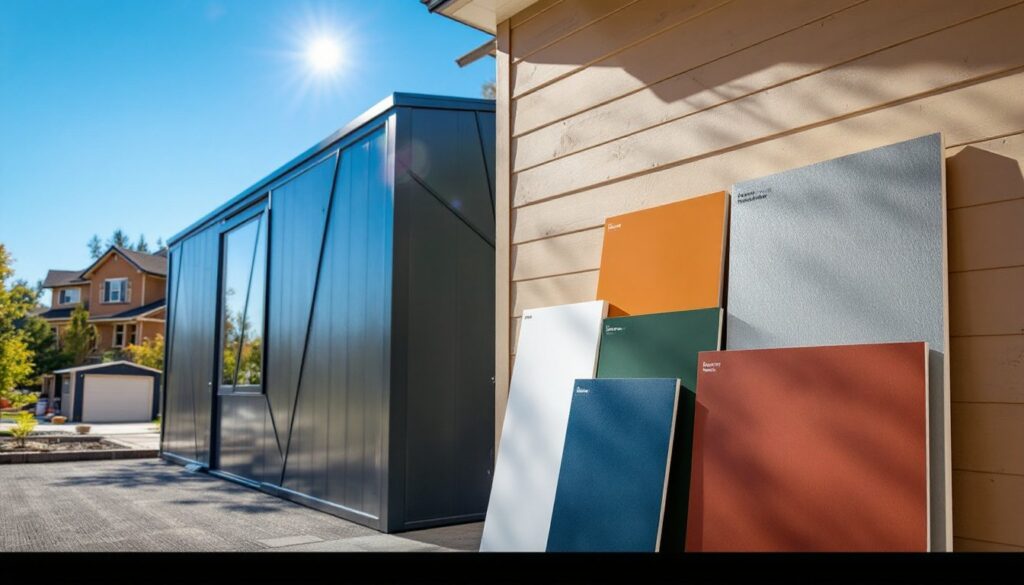
Commercial windows come in a few main categories. Storefront windows are large, often fixed panes used in retail spaces: they’re mostly glass with minimal frames. Curtain wall systems are entire wall assemblies of glass and metal extrusions, common on high-rises. Aluminum frame windows are standard for office buildings, affordable, durable, and recyclable. Fiberglass frames offer better insulation than aluminum and resist corrosion. Vinyl frames are cost-effective but less common in large commercial applications because they can sag under extreme weather or direct sun.
Frame material affects both initial cost and long-term performance. Aluminum conducts temperature quickly (poor insulation without a thermal break), but it’s lightweight and won’t rot. Fiberglass resists weathering, handles temperature swings well, and insulates better, but it costs more upfront. For a coastal or harsh-climate building, fiberglass or powder-coated aluminum outlasts vinyl.
Single Vs. Double Glazing And Energy Efficiency
Single-pane windows are nearly obsolete: they offer zero insulation and let outside air leak in constantly. If your building still has them, replacement is a no-brainer. Double-glazing (insulated glass units, or IGUs) sandwiches air or argon gas between two panes, cutting heat loss significantly. Most commercial replacements use double-glazing as a baseline.
Low-E coatings on the glass reflect infrared heat while letting visible light through, reducing cooling costs in summer and heat loss in winter. In hot climates, this matters: in cold climates, it’s equally important. Expect to pay 10–20% more for Low-E glass, but energy savings typically recover that cost in 5–7 years. Argon gas fill (instead of plain air between panes) boosts insulation another 5–8% and costs about $10–$20 per unit. Modern commercial buildings often use triple-glazing for premium insulation, though this adds weight and cost.
Planning Your Commercial Window Replacement Project
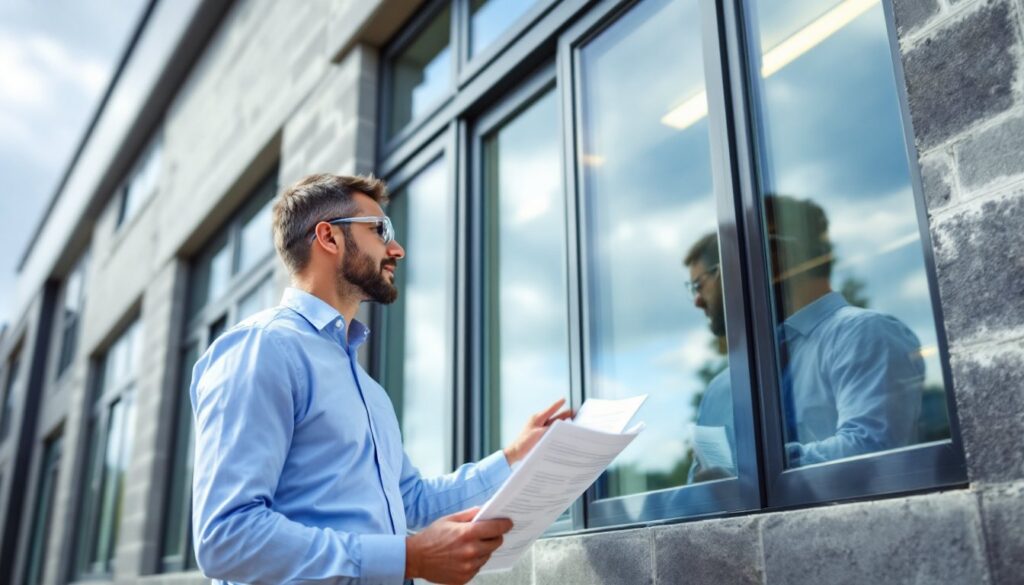
Start by auditing your existing windows. Document the size, frame material, age, and any problems (leaks, condensation, drafts, broken seals). Take photos of each elevation and note which spaces are most uncomfortable or have the highest complaints. This data drives your replacement priority and helps contractors give accurate quotes.
Next, check your local building codes and zoning rules. Some municipalities require permits for exterior work: others mandate energy-performance standards for commercial buildings. Fire-rated windows may be required near property lines or in certain occupancies. If your building is in a historic district, aesthetic guidelines might limit frame colors or styles. Don’t discover this mid-project, verify upfront.
Shop contractors carefully. Get at least three detailed written quotes that itemize labor, materials, window specifications (frame type, glass options, hardware), and timeline. Ask about water-resistive barriers, flashing, and sealants, these are invisible but critical to prevent leaks. A cheap job that skips proper flashing will fail within a few years. Reputable contractors provide warranties (typically 5–10 years on glass seals, labor guarantees on installation).
Budgeting And Cost Considerations
Commercial window costs vary wildly by region, building age, window size, and materials. A rough baseline: standard double-glazed aluminum-frame windows run $300–$600 installed per opening: fiberglass or high-performance options jump to $600–$1,200+. Storefront or curtain wall systems cost significantly more per square foot due to complexity. Always get regional input on pricing, labor and materials differ between rural and urban markets, and market rates shift with supply chains.
Budget for hidden costs: structural repairs if frames or sills are rotten, upgraded flashing if old installations used substandard methods, and potential interior/exterior finishing if drywall or trim needs patching. Building systems like HVAC may need adjustment if new windows change air infiltration patterns dramatically. Use resources like HomeAdvisor or Angi to research typical costs in your region, though commercial projects often require custom quotes. Plan for 10–15% contingency, something always pops up during renovation.
The Window Replacement Process
Professional commercial window replacement follows a proven sequence. First, the contractor removes the old window and sash carefully, if the frame is salvageable (older wood frames with historical value), they’ll preserve it. More often, frames come out entirely.
Next comes the critical prep work. The opening is checked for square and plumb (level and vertical). Any rotten sill wood or structural damage is cut away and sister-pieced with pressure-treated lumber. The opening is then cleaned and dried, moisture trapped during installation causes mold and seal failure.
The contractor installs a water-resistive barrier (membrane or paper) in the rough opening, then sets the new frame in place, shimmed and screwed (not nailed, screws resist racking better). Proper shimming ensures the frame sits square and doesn’t flex when windows open and close. The space between the new frame and rough opening wall is sealed with expanding spray foam, which is trimmed flush once cured.
Flashing goes next, metal or membrane strips that direct water down and out, preventing it from pooling in the frame cavity. Cheap installations skip flashing or install it incorrectly: this is why leaks appear months later. Interior and exterior sealants (typically polyurethane or silicone) seal gaps and joints. Paint or caulk trim as needed.
For storefront systems, installation is more complex: metal extrusions are assembled, glass is set into gaskets, and the entire frame is secured to the opening and anchored to the building structure. This usually requires temporary bracing and a multi-person crew.
Timeline varies by project size. A building with 20–30 windows typically takes 1–2 weeks of installation once materials arrive. Lead times (4–8 weeks) for custom windows often dominate the overall schedule. Plan accordingly: tenants may face noise, vibration, and temporary window openings.
Maintenance Tips For Long-Term Performance
New windows aren’t set-and-forget. Quarterly inspections catch small problems before they become expensive. Look for cracked sealant (caulk or glazing compound), condensation between panes (sign of broken seal), and loose flashing. Early-warning signs also include air leaks (hold a lighter near the frame, flame shouldn’t bend) or water stains inside the frame cavity.
Clean frames and glass regularly, especially in dusty or coastal areas. Salt spray and pollutants degrade sealants and paint finishes faster than you’d expect. Aluminum frames exposed to salt air benefit from annual washing and a light coat of marine-grade protective wax. Vinyl frames just need soap and water. Check operable windows (those that open and close) twice yearly: lubricate hinges and hardware with silicone spray, not oil, and ensure sills drain freely.
If sealants fail or small cracks appear, don’t ignore them. A new bead of sealant ($50–$200 per window depending on access) is cheap compared to water damage inside the wall. If a glass seal fails, the IGU (insulated unit) must be replaced, typically $100–$300 depending on size and coating. Most manufacturers guarantee glass seals for 10 years: use that coverage if failure occurs within the warranty period.
Document maintenance in a log (date, contractor, work done, cost, window ID). When selling or refinancing, this record proves you’ve maintained the building responsibly. It also helps contractors diagnose patterns if recurring problems crop up. Periodic home improvement cost guides can help you benchmark maintenance spending against similar buildings and identify if your costs are typical.