Home services techniques form the foundation of a well-maintained property. Whether someone owns a first home or manages rental units, knowing the right methods saves money and prevents costly damage. This guide covers essential home services techniques that every property owner should understand, from basic DIY repairs to knowing when professional help makes sense.
The average homeowner spends between $3,000 and $4,000 annually on maintenance and repairs. Smart home services techniques can reduce that number significantly. More importantly, proper maintenance protects property value and keeps living spaces safe and comfortable.
Table of Contents
ToggleKey Takeaways
- Mastering basic home services techniques like fixing leaky faucets and patching drywall can save homeowners thousands of dollars annually.
- Replace HVAC filters every 30-90 days to improve air quality and reduce energy bills by up to 15%.
- Always hire licensed professionals for electrical panel work, gas line repairs, and structural modifications to ensure safety and code compliance.
- Create a seasonal maintenance calendar to stay on top of routine home services and prevent costly emergency repairs.
- Invest in quality materials for repairs—cheap parts fail faster and lead to repeated expenses.
- Document all home maintenance and repairs to identify recurring issues and add value when selling your property.
Understanding Common Home Service Categories
Home services techniques span several distinct categories. Each requires specific knowledge and tools. Understanding these categories helps homeowners prioritize tasks and allocate resources effectively.
Plumbing Services
Plumbing covers water supply, drainage, and fixture maintenance. Common home services techniques in this category include fixing leaky faucets, unclogging drains, and maintaining water heaters. A dripping faucet wastes up to 3,000 gallons of water per year. Knowing basic plumbing techniques prevents this waste.
Electrical Services
Electrical work requires caution. Simple home services techniques like replacing outlets or installing light fixtures fall within DIY territory. But, panel upgrades and new circuit installations need licensed electricians. Safety always comes first with electrical tasks.
HVAC Maintenance
Heating, ventilation, and air conditioning systems need regular attention. Filter replacement every 30-90 days represents the most basic HVAC home services technique. Clean filters improve air quality and reduce energy bills by up to 15%.
Exterior Maintenance
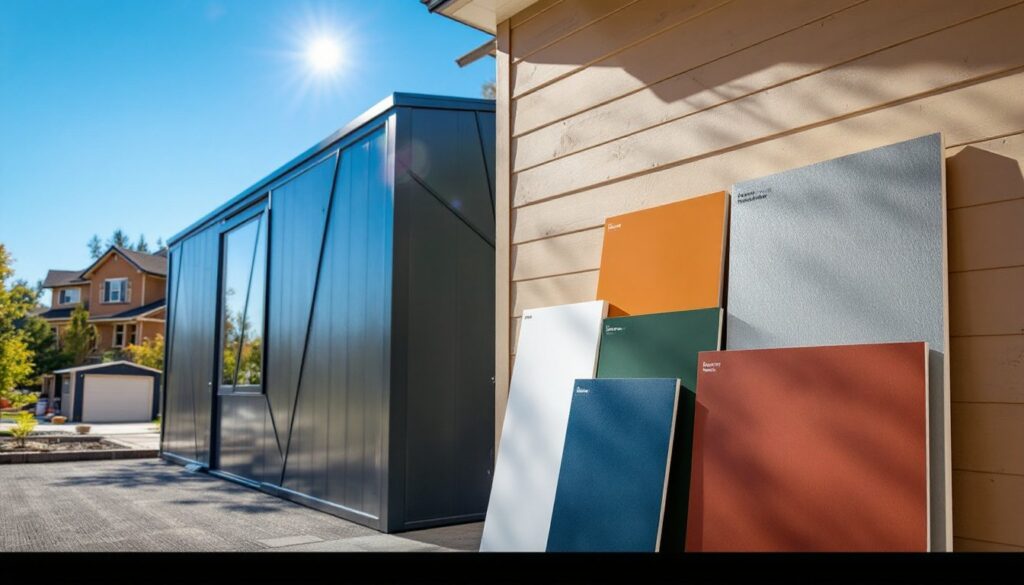
Roofing, siding, and gutter work protect homes from weather damage. Seasonal inspections catch problems early. Cleaning gutters twice yearly prevents water damage that costs thousands to repair.
DIY Techniques Every Homeowner Should Know
Some home services techniques require professional training. Others are accessible to anyone with basic tools and patience. The following DIY skills save homeowners significant money over time.
Basic Plumbing Repairs
Fixing a running toilet takes about 20 minutes and costs under $20 in parts. The typical plumber charges $150-$300 for the same job. Learning to replace flapper valves and fill mechanisms represents one of the most valuable home services techniques a homeowner can master.
Unclogging drains without chemicals protects pipes. A plunger handles most clogs. For stubborn blockages, a drain snake costs $25 and works on most household drains.
Drywall Patching
Holes in walls happen. Small holes from nails need only spackle and a putty knife. Larger holes require patch kits. This home services technique takes practice, but the basics are straightforward:
- Clean the damaged area
- Apply compound in thin layers
- Sand between coats
- Prime and paint to match
Caulking and Sealing
Air leaks waste energy and invite moisture problems. Caulking around windows, doors, and bathroom fixtures prevents both issues. Quality silicone caulk lasts 20+ years. Application requires steady hands and proper preparation, remove old caulk completely before applying new material.
Basic Painting
Painting transforms spaces at minimal cost. Preparation matters more than application. Proper home services techniques include cleaning surfaces, filling imperfections, and using painter’s tape. Two thin coats beat one thick coat every time.
When to Hire Professional Home Service Providers
Not every repair belongs on a DIY list. Some home services techniques require licensing, specialized equipment, or training that protects both property and people.
Electrical Panel Work
Anything involving the main electrical panel demands a licensed electrician. Improper electrical work causes house fires and voids insurance policies. The cost of professional electrical services pays for itself in safety and code compliance.
Gas Line Repairs
Gas leaks kill. Period. Licensed plumbers or gas technicians handle all gas line work. This isn’t about skill, it’s about proper testing equipment and legal requirements.
Roof Replacement
Minor roof repairs might be DIY-appropriate for confident homeowners. Full replacements require crews, safety equipment, and expertise. Professional roofers also provide warranties that protect investments.
Structural Modifications
Removing walls, adding rooms, or modifying foundations requires permits and professional oversight. Engineers and contractors understand load-bearing requirements that prevent costly, or dangerous, mistakes.
Signs You Need a Professional
Homeowners should call professionals when:
- The problem keeps recurring after DIY attempts
- Permits or inspections are required
- Specialized tools cost more than hiring help
- Personal safety is at risk
- The job involves licensed trades
Cost-Effective Approaches for Routine Home Maintenance
Smart home services techniques focus on prevention. Reactive repairs cost more than proactive maintenance. These strategies keep homes running smoothly without breaking budgets.
Create a Maintenance Calendar
Scheduling prevents forgotten tasks. Effective home services techniques follow seasonal patterns:
- Spring: Check AC systems, clean gutters, inspect roof for winter damage
- Summer: Maintain outdoor structures, service irrigation systems
- Fall: Prepare heating systems, seal gaps before cold weather
- Winter: Check insulation, monitor pipes in freezing conditions
Buy Quality Materials
Cheap parts fail faster. A $15 faucet cartridge lasts longer than a $5 alternative. Home services techniques that use quality materials reduce repeat repairs.
Learn from Resources
YouTube tutorials, manufacturer guides, and home improvement forums provide free education. Most home services techniques have step-by-step guides available online. Watching professionals complete tasks builds confidence before attempting repairs.
Build Relationships with Trusted Contractors
Good contractors offer fair pricing to repeat customers. Finding reliable professionals before emergencies occur prevents desperate decisions. Ask neighbors for recommendations and check reviews before hiring.
Track Expenses and Repairs
Documenting home services helps identify patterns. If the same problem recurs, the underlying cause needs addressing. Records also help when selling, buyers appreciate documented maintenance history.