Building and construction tips can make or break any project, whether it’s a small home renovation or a large commercial development. Every successful build starts with solid fundamentals: proper planning, quality materials, and skilled execution.
The construction industry sees countless projects go over budget or past deadline each year. Many of these issues stem from avoidable mistakes. This guide covers the essential building and construction tips that experienced professionals rely on to deliver quality results on time and within budget.
Table of Contents
ToggleKey Takeaways
- Thorough planning—including permits, site assessments, and detailed blueprints—prevents most costly construction problems before they start.
- Select materials that match your climate and balance upfront costs with long-term durability for better project value.
- Prioritize job site safety with proper PPE, organized workspaces, and clear emergency protocols to protect workers and reduce liability.
- Verify contractor licenses, insurance, and references before hiring, and always get contracts in writing.
- Build 10-20% contingency into your budget and schedule to handle unexpected costs and delays effectively.
- Apply these building and construction tips consistently to deliver quality results on time and within budget.
Plan Thoroughly Before Breaking Ground
Good planning prevents most construction problems before they happen. A detailed plan acts as a roadmap that keeps everyone aligned throughout the project.
Start with a clear scope of work. Define exactly what needs to be built, renovated, or demolished. Write down specifications, measurements, and expected outcomes. Vague plans lead to costly change orders later.
Obtain all necessary permits before starting any work. Building codes exist for safety reasons, and skipping permits can result in fines, forced demolition, or legal issues during property sales. Contact local building departments early, permit approval can take weeks or even months in some jurisdictions.
Conduct a thorough site assessment. Check soil conditions, drainage patterns, and existing utilities. Underground surprises like rock formations or old pipes can derail schedules and inflate costs quickly.
Create realistic construction drawings. Detailed blueprints help contractors provide accurate bids and reduce misunderstandings during construction. Consider hiring an architect or designer for complex projects, their fees often pay for themselves through better coordination and fewer errors.
Choose the Right Materials for Your Project
Material selection directly affects a project’s durability, appearance, and cost. Smart choices here pay dividends for decades.
Match materials to your climate and use case. A roofing material that works perfectly in Arizona may fail quickly in Minnesota’s freeze-thaw cycles. Research how different options perform in your specific conditions.
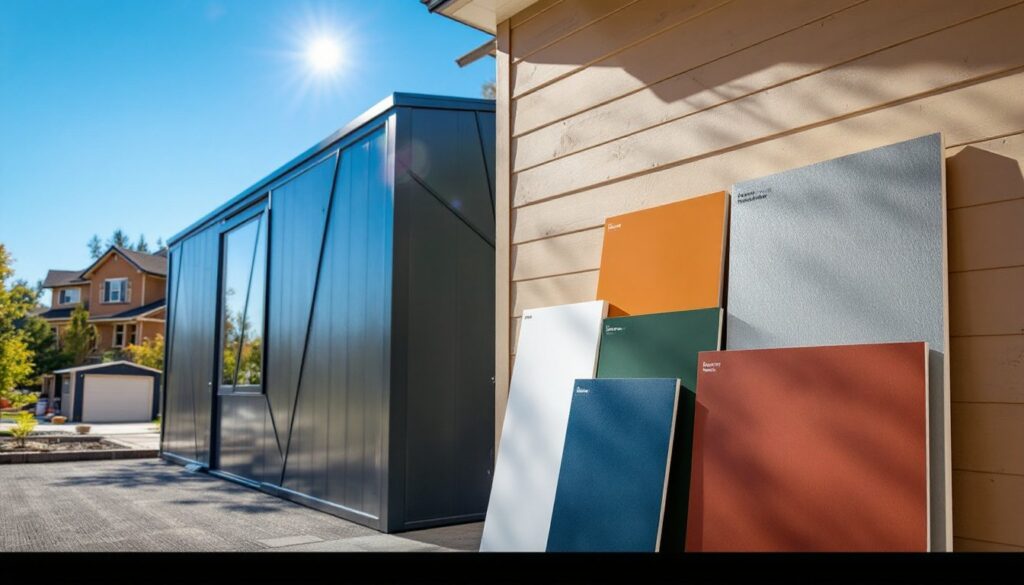
Balance upfront cost against long-term value. Cheaper materials often require more maintenance or earlier replacement. For example, fiber cement siding costs more than vinyl initially but typically lasts longer and resists damage better.
Verify material quality before accepting deliveries. Check lumber for warping, splits, and excessive knots. Inspect concrete blocks for cracks. Damaged materials create weak structures and waste labor time.
Order materials with appropriate lead times. Supply chain delays have become common in construction. Popular items like windows, appliances, and specialty lumber may require ordering months in advance. Building and construction tips from experienced contractors always emphasize early procurement.
Consider sustainability factors. Energy-efficient materials reduce operating costs and may qualify for tax credits or rebates. Recycled and locally sourced options can lower environmental impact while supporting regional economies.
Prioritize Safety on Every Job Site
Construction ranks among the most dangerous industries. Following proper safety protocols protects workers and reduces liability.
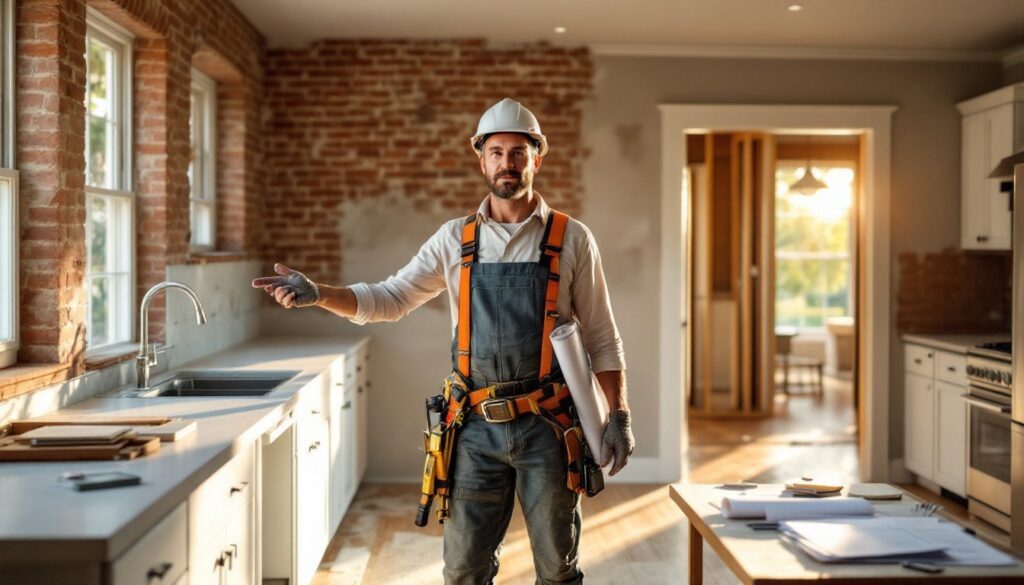
Provide appropriate personal protective equipment (PPE) for all tasks. Hard hats, safety glasses, steel-toed boots, and gloves should be standard. Specialized work requires additional gear, respirators for dust or chemical exposure, fall harnesses for elevated work, and hearing protection near loud equipment.
Keep job sites organized and clean. Cluttered work areas cause trips, falls, and injuries. Designate storage locations for materials and tools. Remove debris regularly. Good housekeeping also improves productivity by reducing time spent searching for items.
Train workers on equipment operation. Never assume someone knows how to use a tool safely. Even experienced professionals benefit from refresher training, especially with unfamiliar machinery.
Establish clear communication protocols. Large sites should have designated safety officers and regular meetings to address hazards. Smaller projects still need someone responsible for identifying and correcting unsafe conditions.
Post emergency contact information prominently. Know the location of the nearest hospital. Keep first aid kits stocked and accessible. Quick response to injuries can prevent minor incidents from becoming serious.
Work With Reliable Contractors and Suppliers
The people involved in a project matter as much as the plans and materials. Choosing the right partners prevents headaches and ensures quality work.
Verify contractor licenses and insurance before hiring anyone. Licensed contractors have demonstrated competency in their trade. Insurance protects property owners from liability if workers are injured on site. Ask for certificates and verify them directly with insurance companies.
Check references and past work. Talk to previous clients about their experiences. Visit completed projects when possible. Online reviews provide additional perspective, though they shouldn’t be the only source of information.
Get multiple bids for comparison. Three to five quotes from different contractors reveal the market rate for your project. Be cautious of bids significantly lower than others, they may indicate cut corners or hidden costs.
Establish clear contracts before work begins. Good contracts specify scope, payment schedules, timelines, and procedures for handling changes or disputes. Building and construction tips from lawyers often emphasize getting everything in writing.
Build relationships with reliable suppliers. Consistent suppliers learn your preferences and may offer better pricing or priority access to scarce materials. They can also provide valuable advice on product selection and availability.
Manage Your Budget and Timeline Effectively
Financial and schedule management separate successful projects from troubled ones. Realistic expectations and careful tracking keep things on course.
Build contingency into both budget and schedule. Industry standards suggest 10-20% budget reserves for unexpected costs. Add buffer time for weather delays, material shortages, and unforeseen problems. Projects that plan for surprises handle them better.
Track expenses against budget categories weekly. Catching cost overruns early allows for adjustments before they become unmanageable. Simple spreadsheets work for small projects: larger ones benefit from construction management software.
Sequence work logically to avoid delays. Some tasks must happen before others, you can’t install drywall before electrical and plumbing rough-ins. Create a realistic schedule that accounts for these dependencies and inspection requirements.
Communicate regularly with all stakeholders. Weekly progress meetings keep everyone informed and surface issues before they escalate. Document decisions and changes in writing to prevent misunderstandings.
Avoid scope creep. Adding features mid-project increases costs and extends timelines. If changes are necessary, get written change orders that detail additional costs and schedule impacts before approving them.