
Pressure washing transforms a home’s exterior from grimy and weathered to bright and refreshed, but only when done right. Whether it’s mold-stained siding, algae-covered roof shingles, or concrete that’s turned dark with years of dirt, pressure washing is one of the most effective ways homeowners can restore curb appeal without hiring professionals. The catch? Too much pressure can damage wood, blast mortar from brick, or etch concrete. This guide walks through selecting the right equipment, understanding surface-specific techniques, and tackling pressure washing safely so you get professional-looking results without expensive repairs.
Table of Contents
ToggleKey Takeaways
- Building pressure washing extends your home’s lifespan by preventing moisture-related rot and deterioration, making it essential preventative maintenance rather than purely cosmetic work.
- Electric pressure washers at 1,800–2,000 PSI are ideal for homeowners tackling most residential projects safely, while higher-PSI gas models are better reserved for concrete and heavy-duty jobs.
- Always start from the top and work downward using the correct nozzle angle for each surface—40° for siding and wood, 25° for concrete—and keep the nozzle moving to avoid etching or damage.
- Proper surface-specific pressure washing techniques vary dramatically: vinyl siding tolerates 1,800–2,000 PSI, painted wood requires only 1,200–1,500 PSI, and roof shingles need gentle 1,200 PSI or soft-washing to preserve warranties.
- Safety gear including impact-rated goggles, heavy-duty gloves, and steel-toed boots is non-negotiable, and bystanders must stay at least 20 feet away since the spray nozzle can strip skin on contact.
Why Building Pressure Washing Matters for Home Maintenance
Pressure washing isn’t cosmetic, it’s preventative maintenance. Mold, mildew, algae, and dirt buildup trap moisture against siding, wood decks, and roof shingles, accelerating rot and deterioration. Cleaning these surfaces regularly extends their lifespan by years, sometimes decades. Concrete driveways and patios degrade faster when contaminated with oil stains and organic growth, which break down the surface layer. A clean exterior also protects your home’s investment: dirt and stains lower curb appeal and can affect resale value more than many homeowners realize.
Beyond longevity, pressure washing prevents safety hazards. Algae and moss on decks, patios, and stairs become slippery: mold spores from siding can seep into walls. Regular cleaning keeps these areas safe and healthy. Most professionals recommend pressure washing every 1–3 years depending on climate, shade exposure, and how much pollen and debris the area collects. Homes in humid or shaded areas see faster mold regrowth and benefit from annual cleaning.
Essential Pressure Washing Equipment and Safety Gear
Choosing the Right Pressure Washer Type
Pressure washers come in three main categories: electric, gas-powered, and hot-water models. Electric washers deliver 1,300–2,100 PSI (pounds per square inch) and work well for siding, patios, and light-duty jobs. They’re quieter, require no fuel mixing, and cost $150–$400. Gas-powered models push 2,500–4,200 PSI and handle tougher jobs like concrete and heavily soiled brick: they cost $300–$900 and demand more maintenance. Hot-water pressure washers reach 3,000–8,000 PSI and excel at cutting through oil and grease, useful for driveways but unnecessary for most siding.
For homeowners starting out, an electric washer at 1,800–2,000 PSI covers 80% of residential projects without risk of damage. If tackling concrete stains or removing years of buildup, a mid-range gas model ($400–$600) is worth renting instead of buying.
Beyond the washer itself, essential gear includes: pressurized spray nozzles (25°, 40°, and 0° degrees for different surfaces, never start with 0°), a garden hose rated for pressure use (at least 5/8-inch diameter), hose adapter fittings, and a detergent reservoir (built into some models). Most washers come with a basic nozzle set: you’ll want extras.
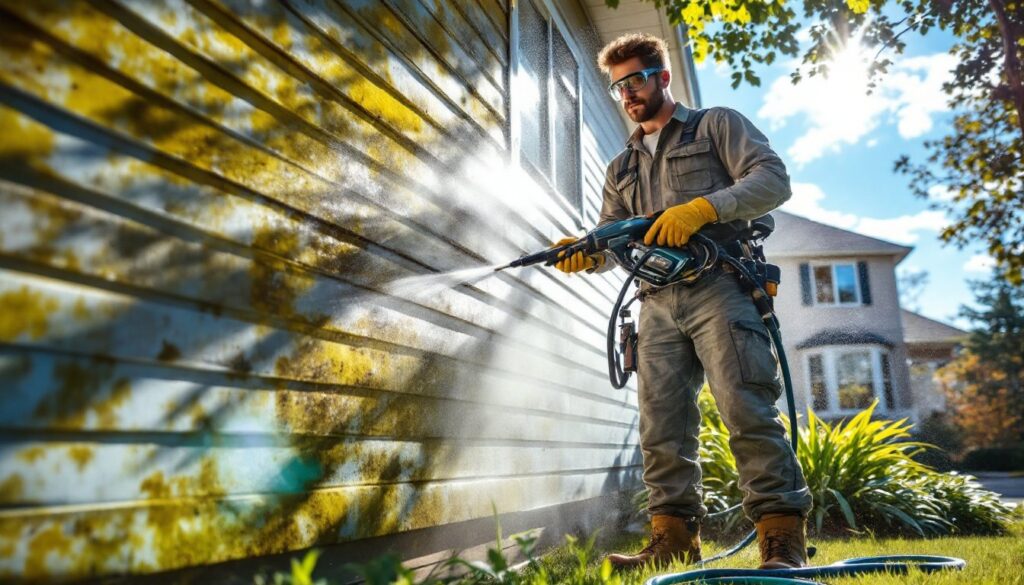
Safety gear is non-negotiable: impact-rated safety goggles or a full face shield (detergent and dirt travel fast), heavy-duty gloves rated for pressure work, steel-toed boots, and long pants or chaps. The spray nozzle can strip skin on contact, so treat it like a power tool. Hearing protection is wise if using a gas model. Always keep bystanders, especially children and pets, at least 20 feet away from the work area.
Step-by-Step Guide to Pressure Washing Your Home’s Exterior
Preparation and Setup
Washing without prepping is like painting over dirt, you’ll trap grime and get poor results. Start by clearing the area: remove patio furniture, planters, and decorations: bring in outdoor rugs and cushions. Close windows and doors, and tape over outdoor outlets and light fixtures with waterproof tape. Check weather forecasts: avoid washing when rain is expected within 24 hours (you want detergent and dirt to lift, not wash back down).
Inspect surfaces for damage, cracked wood, loose mortar, or damaged caulking. These areas will absorb water and can worsen. Mark them mentally: you’ll clean around them. Fill the washer’s fuel tank (if gas) or power cord to an outdoor outlet (if electric), and test the nozzle spray pattern in a low-visibility area like behind the shed. A 25° or 40° nozzle is safest to start: keep the nozzle 6–12 inches from the surface and move it steadily to avoid spotting or damage.
Attach the low-pressure nozzle to the spray gun, select your detergent if using one, and adjust the soap dispenser dial on the machine if equipped. Always apply detergent first: it loosens grime and makes rinsing more effective.
Washing Techniques and Best Practices
Start from the top of a wall or structure and work downward: dirty water runs down, not up, so you follow gravity. On siding, use a 40° nozzle at 6–10 inches, moving horizontally in overlapping passes. Keep the nozzle moving: don’t linger on one spot or you’ll etch the surface. For wood decks, drop to a 40° nozzle and stay 12–18 inches away: water forced into wood grain can splinter and warp it. Never use a 0° nozzle on any residential surface unless you’re removing stubborn paint, and even then, test first.
Roof shingles need gentle treatment. Many manufacturers void warranties if homeowners pressure wash roofs above 1,200 PSI. If you must clean shingles, use a low-pressure electric washer with a 40° nozzle from a ladder or scaffolding (never an extension wand at height, the recoil is dangerous). Alternatively, soft-wash roof shingles using a brush and mild bleach solution, then rinse.
Concrete driveways tolerate higher pressure (2,500–3,000 PSI) and benefit from a 25° nozzle. For oil stains, apply a degreaser, let it sit 10–15 minutes, then power wash. Make two or three passes if needed rather than holding the nozzle still. On brick and mortar, be cautious. Historic brick or old mortar can crumble: use 1,500 PSI or lower and a 40° nozzle, and consider hiring a professional for homes older than 50 years.
After rinsing, allow surfaces to dry fully before walking or applying sealers. Concrete and wood especially need 24–48 hours to dry completely.
Common Surfaces and How to Clean Them
Vinyl and composite siding are forgiving and handle 1,800–2,000 PSI well. Use a 40° nozzle, work top to bottom, and rinse thoroughly. Avoid concentrating the spray on seams or edges where water can seep behind panels. For stubborn algae, apply a fungicide-based siding cleaner, let it work for 15–20 minutes, then rinse.
Stucco is porous and can absorb water, leading to moisture damage. Stick to 1,500 PSI or lower with a 40° nozzle, and don’t let water pool or run continuously in one area. If you spot soft or crumbling stucco, stop and call a professional.
Painting wood siding requires care. Use 1,200–1,500 PSI with a 40° nozzle to avoid stripping paint. If the paint is already peeling, pressure washing may accelerate failure: consider hand-scrubbing and repainting instead. Pressure washing houses with lead paint (built before 1978) risks dispersing lead particles, hire a certified lead-abatement contractor.
Patios and pathways in concrete handle 2,500–3,500 PSI. Use a 25° nozzle for stubborn stains and a 40° for regular cleaning. For pressure washers recommended by testing experts, look at models that balance power and ease of use, a common frustration is undersized machines that take twice as long on heavy jobs.
Gutters and downspouts rarely need full pressure washing: a brush and mild soap work better and won’t dent aluminum gutters. If using a washer, keep PSI under 1,500 and angle the nozzle carefully to avoid pushing water behind trim.
Rust and mineral stains on exterior metal or stone may require specialty cleaners. Resources like The Spruce and Angi offer detailed guides for managing tough stains and deciding when professional cleaning is cost-effective. If you’re unsure whether a stain warrants professional attention, like severe rust blooming on siding or permanent discoloration, these sites provide cost comparisons and contractor reviews.