Building and construction for beginners starts with understanding the fundamentals. Anyone can learn to build with the right knowledge, tools, and safety practices. This guide breaks down everything new builders need to know, from basic concepts to essential equipment.
Construction projects range from simple home repairs to large commercial structures. Beginners often feel overwhelmed by the scope of information available. The good news? Most building skills build on each other. Once someone masters the basics, more advanced techniques become easier to grasp.
This starter guide covers the core areas every beginner should explore. Readers will learn about construction fundamentals, must-have tools, common materials, key skills, and safety protocols. Each section provides practical information that applies to real-world building scenarios.
Table of Contents
ToggleKey Takeaways
- Building and construction for beginners starts with mastering core skills like accurate measuring, level and plumb work, and basic carpentry.
- Every construction project follows a sequence: planning, foundation, framing, systems installation, and finishing.
- Invest in quality mid-range tools from established brands—a core set of measuring, cutting, and fastening tools handles most beginner projects.
- Start with hand tools before power tools to build fundamental skills and understand how materials behave.
- Safety must be a priority from day one—always wear PPE, practice proper lifting techniques, and know when to call a licensed professional.
- Small projects like shelving or garden structures provide low-stakes opportunities to practice building and construction skills.
Understanding the Basics of Construction
Building and construction involves creating structures through a series of planned steps. Every project follows a general sequence: planning, foundation work, framing, systems installation, and finishing.
The planning phase defines what gets built and how. This includes blueprints, permits, and material lists. Beginners should study basic blueprint reading, it’s the language of construction. Most plans show top-down views (floor plans) and side views (elevations).
Foundation work creates the base that supports everything above. Residential projects typically use concrete slabs, crawl spaces, or basements. The foundation must be level and properly cured before framing begins.
Framing creates the skeleton of a structure. Wood framing remains the most common method for residential building and construction projects. Steel framing is typical in commercial work. The frame determines the shape, size, and strength of the final structure.
Systems installation covers electrical wiring, plumbing, and HVAC (heating, ventilation, air conditioning). These systems hide within walls and floors before finishing work begins.
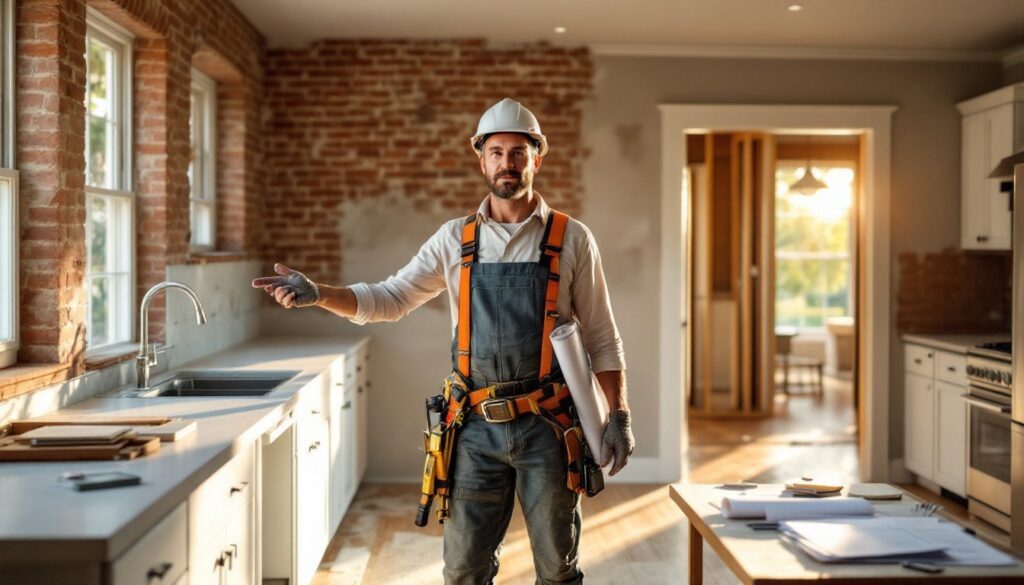
Finishing includes drywall, paint, flooring, and trim. This phase transforms a bare structure into a usable space. Beginners often start learning building and construction through finishing tasks since mistakes are easier to fix.
Essential Tools Every Beginner Needs
Starting a building and construction journey requires the right tools. Beginners don’t need every tool at once, a core set handles most basic projects.
Measuring and Marking Tools
- Tape measure (25-foot length works for most jobs)
- Speed square for marking angles
- Level (2-foot and 4-foot lengths)
- Carpenter’s pencil
Cutting Tools
- Circular saw for straight cuts in lumber
- Handsaw for small jobs and tight spaces
- Utility knife for various materials
Fastening Tools
- Hammer (16-ounce claw hammer is standard)
- Cordless drill/driver with bit set
- Screwdriver set (flathead and Phillips)
Safety Gear
- Safety glasses
- Work gloves
- Hearing protection
- Dust mask
Quality matters more than quantity in building and construction tools. A well-made hammer lasts decades. Cheap tools break, slip, or produce poor results. Beginners should invest in mid-range tools from established brands.
Power tools increase efficiency but require practice. New builders should master hand tools first. This approach builds fundamental skills and understanding of how materials behave.
Common Building Materials and Their Uses
Building and construction projects use various materials based on application, cost, and local codes. Here’s what beginners encounter most often.
Lumber
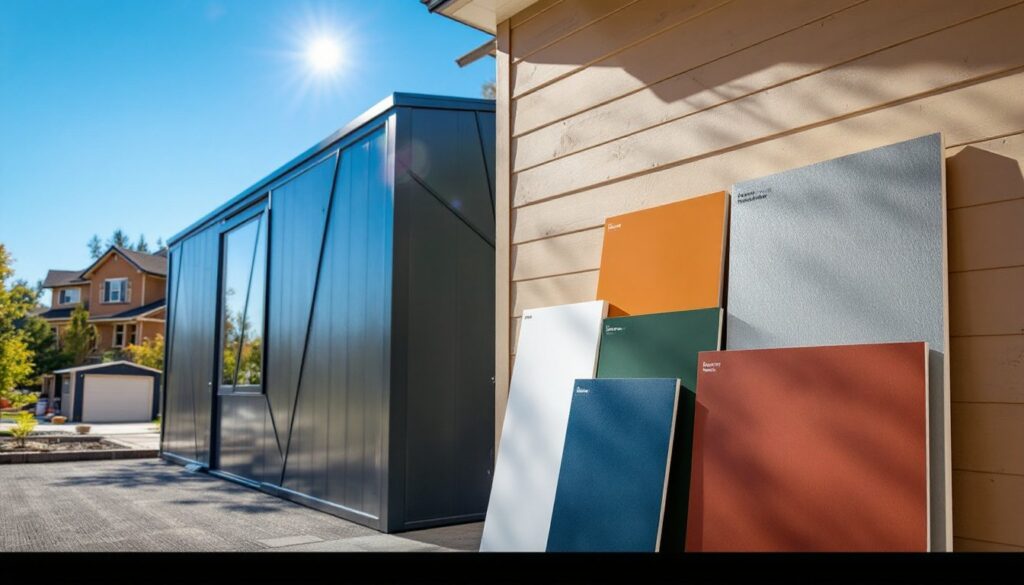
Wood remains the backbone of residential construction. Dimensional lumber (2x4s, 2x6s, etc.) forms walls, floors, and roofs. Plywood and OSB (oriented strand board) create sheathing and subflooring. Pressure-treated lumber handles outdoor applications where moisture contact occurs.
Concrete
This mixture of cement, aggregate, and water creates foundations, slabs, and driveways. Concrete gains strength over time through a curing process. Beginners in building and construction should learn proper mixing ratios and curing techniques.
Fasteners
Nails, screws, and bolts hold everything together. Different fasteners serve different purposes:
- Framing nails connect structural lumber
- Drywall screws attach wallboard
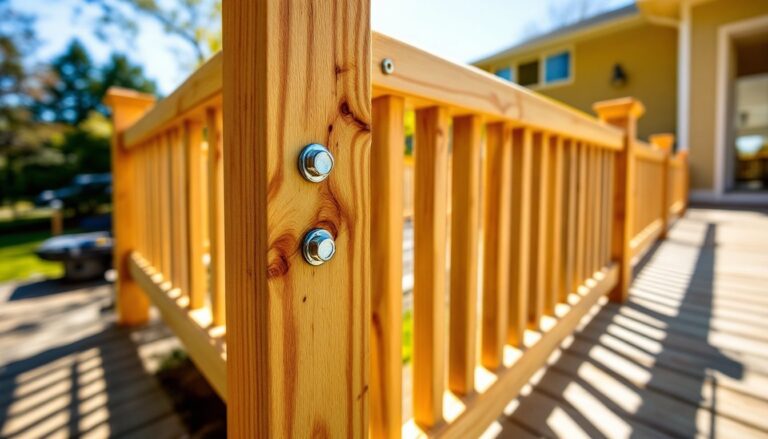
- Lag bolts secure heavy loads
- Concrete anchors fasten materials to concrete surfaces
Drywall
Gypsum board covers interior walls and ceilings. Standard drywall comes in 4×8-foot sheets. Moisture-resistant (green board) versions work in bathrooms and kitchens.
Insulation
Fiberglass batts, spray foam, and rigid board control temperature and sound. Building codes specify minimum insulation values (R-values) for different climate zones.
Understanding these materials helps beginners make smart choices. Each material has strengths, limitations, and proper handling requirements.
Fundamental Skills to Learn First
Building and construction success depends on mastering core skills. These fundamentals apply across nearly every project type.
Accurate Measuring
The old saying “measure twice, cut once” exists for good reason. Even small measurement errors compound into big problems. Beginners should practice reading tape measures to 1/16-inch accuracy. Learning to mark cut lines clearly prevents costly mistakes.
Level and Plumb Work
Level means perfectly horizontal. Plumb means perfectly vertical. Almost every building and construction task requires checking these conditions. A structure that’s off-level or out-of-plumb creates problems throughout the project. Doors won’t close properly. Floors will feel uneven.
Basic Carpentry
Cutting lumber straight and joining pieces securely forms the foundation of carpentry. Beginners should practice making square cuts with both hand and power saws. Learning to drive nails and screws properly comes next.
Reading Plans
Blueprints communicate critical information. New builders should learn common symbols, abbreviations, and scale notations. Most residential plans use 1/4-inch equals 1-foot scale.
Problem Solving
Building and construction rarely goes exactly as planned. Materials vary. Site conditions change. Good builders adapt and find solutions. This skill develops through experience and learning from mistakes.
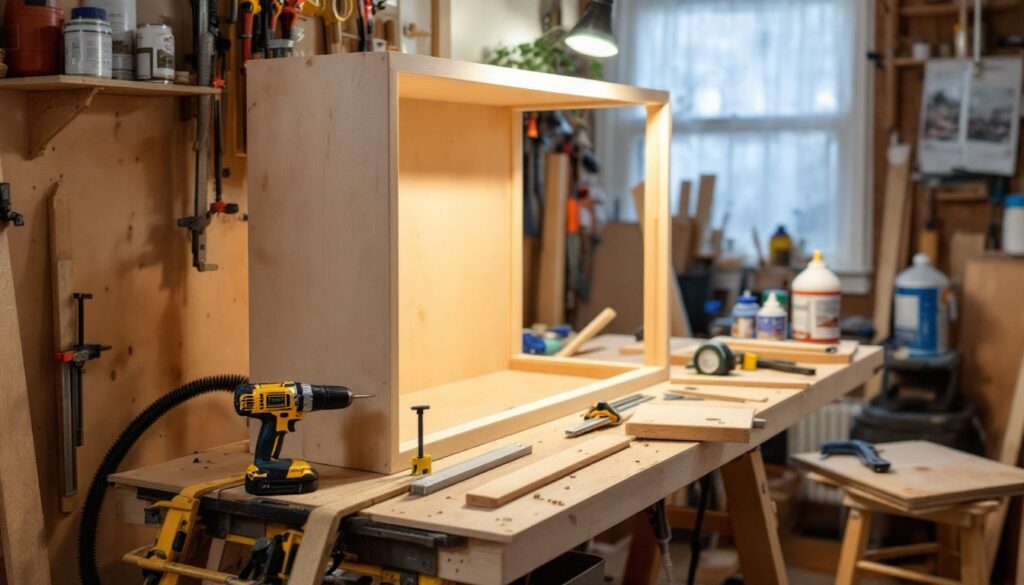
Beginners build these skills fastest through hands-on practice. Small projects like shelving, workbenches, or garden structures provide low-stakes learning opportunities.
Safety Practices for New Builders
Safety protects everyone on a building and construction site. Injuries happen quickly but affect people for years. Smart beginners prioritize safety from day one.
Personal Protective Equipment (PPE)
Safety glasses protect eyes from debris, wear them during all cutting and drilling operations. Work gloves prevent cuts and splinters. Steel-toed boots guard feet from dropped materials. Hearing protection matters whenever power tools run. Dust masks or respirators filter harmful particles.
Tool Safety
Sharp tools are safer than dull ones, they require less force and slip less. Power tools need respect. Always wait for blades to stop before setting a saw down. Keep fingers away from blade paths. Disconnect power before changing bits or blades.
Site Awareness
Building and construction sites contain hazards. Watch for:
- Tripping hazards (cords, scrap material, uneven surfaces)
- Overhead dangers (falling tools, materials, debris)
- Electrical risks (damaged cords, wet conditions)
Lifting Techniques
Back injuries plague construction workers. Lift with legs, not back. Get help with heavy or awkward items. Use dollies, carts, and hoists when available.
Know Your Limits
Beginners should recognize when a task exceeds their current skill level. Electrical work, structural modifications, and gas line work often require licensed professionals. Building codes exist for safety reasons, follow them.
Good safety habits become automatic with practice. They’re a core part of professional building and construction work.