A building and construction guide helps homeowners, developers, and contractors complete projects efficiently. Whether someone plans a new home, commercial space, or renovation, understanding each phase prevents costly mistakes. Construction projects require careful planning, material selection, contractor coordination, and permit compliance. This guide breaks down each step so readers can approach their next project with confidence. From initial budgeting to final inspections, these essential steps form the foundation of successful construction work.
Table of Contents
ToggleKey Takeaways
- A building and construction guide breaks projects into three phases—pre-construction, construction, and post-construction—helping you set realistic timelines and expectations.
- Always include a 10-20% contingency fund in your budget to cover unexpected expenses and avoid costly project delays.
- Vet contractors thoroughly by checking licenses, insurance, references, and getting at least three detailed bids before hiring.
- Lock in material pricing early or build timeline flexibility, as market fluctuations can significantly impact your construction budget.
- Obtain all required permits before starting work—unpermitted construction creates serious legal, financial, and resale problems.
- Schedule inspections at each key stage and work with contractors familiar with local codes to prevent delays from failed inspections.
Understanding the Construction Process
Every building and construction guide starts with the basics. The construction process follows distinct phases: pre-construction, construction, and post-construction.
Pre-construction includes site analysis, design development, and permit acquisition. During this phase, architects create blueprints while engineers assess structural requirements. Soil tests determine foundation needs, and surveys establish property boundaries.
Construction involves the actual building work. This phase progresses through several stages:
- Site preparation and excavation
- Foundation pouring
- Framing and structural work
- Mechanical, electrical, and plumbing (MEP) installation
- Interior and exterior finishing
Post-construction covers final inspections, punch list completion, and project handover. Inspectors verify code compliance before issuing certificates of occupancy.
Understanding these phases helps project owners set realistic expectations. A residential build typically takes 6-12 months, while commercial projects often extend beyond 18 months. Each phase requires specific expertise, materials, and inspections.
Planning and Budgeting Your Project
Proper planning separates successful construction projects from disasters. A comprehensive building and construction guide emphasizes budget creation before any ground is broken.
Start with a detailed scope document. This document lists every feature, finish level, and specification the project requires. Vague plans lead to change orders, which inflate costs by 10-15% on average.
Budget components include:
- Land acquisition or preparation costs
- Design and engineering fees (typically 8-15% of construction costs)
- Material expenses
- Labor costs
- Permits and inspection fees
- Contingency fund (always include 10-20% for unexpected expenses)
Smart builders get multiple bids for major work categories. They compare itemized estimates rather than lump-sum quotes. This approach reveals where contractors price work differently and identifies potential savings.
Timeline planning runs parallel to budgeting. Construction delays cost money through extended loan interest, rental expenses, and contractor scheduling conflicts. Build buffer time into every milestone. If a contractor promises four weeks for framing, plan for five.
Selecting the Right Materials
Material selection impacts durability, maintenance costs, aesthetics, and budget. This building and construction guide recommends balancing quality with cost-effectiveness.
Structural materials form the building’s skeleton. Common choices include:
- Wood framing: Cost-effective for residential, requires moisture protection
- Steel framing: Fire-resistant, ideal for commercial and multi-story buildings
- Concrete: Excellent for foundations and high-load applications
- Engineered wood products: Combines strength with sustainability
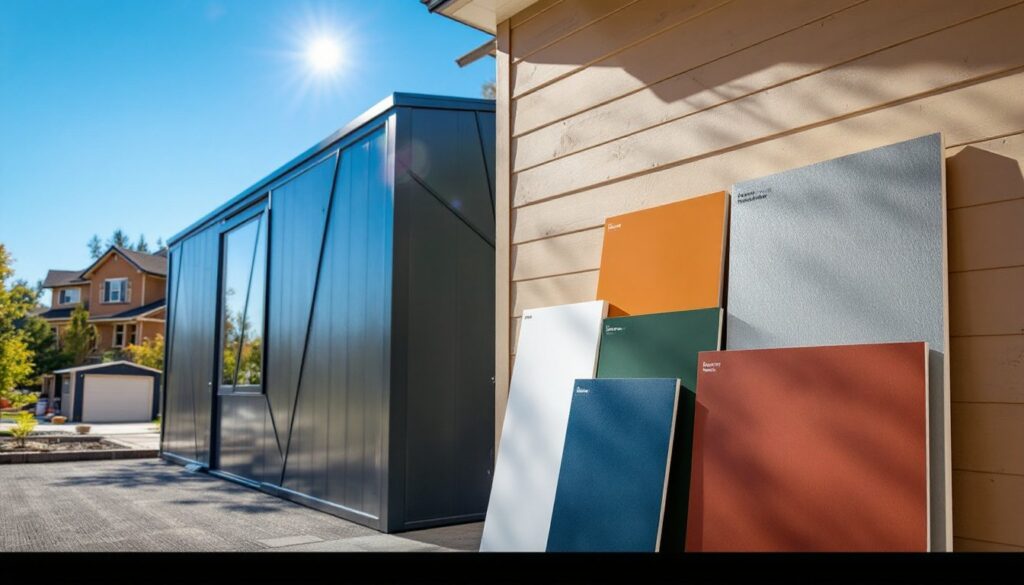
Exterior finishes protect against weather while defining appearance. Brick offers longevity but costs more upfront. Fiber cement siding provides durability at moderate prices. Vinyl remains the budget option but has shorter lifespans.
Interior materials affect daily living quality. Hardwood floors last decades with proper care. Luxury vinyl plank offers similar aesthetics at lower cost. Tile works best in wet areas like bathrooms and kitchens.
Material costs fluctuate with market conditions. Lumber prices, for example, rose over 170% during 2020-2021 before stabilizing. Smart builders lock in pricing early or build flexibility into their timelines.
Always verify material certifications. Products certified by recognized standards bodies meet minimum performance requirements. This verification protects against substandard imports or mislabeled goods.
Hiring Contractors and Managing Timelines
The right contractor transforms plans into reality. A thorough building and construction guide stresses contractor vetting as a critical step.
Contractor selection criteria:
- Valid licensing for the project type and location
- Current insurance (general liability and workers’ compensation)
- Verifiable references from similar completed projects
- Clear communication style and responsiveness
- Written contracts with detailed payment schedules
Get at least three bids for major projects. The lowest bid isn’t always best, extremely low bids often indicate cut corners or hidden costs later. Compare scope inclusions carefully.
Once hired, establish clear communication protocols. Weekly progress meetings keep projects on track. Daily logs document work completed, materials used, and any issues encountered. These records prove invaluable if disputes arise.
Timeline management tips:
- Create milestone schedules with specific completion dates
- Identify critical path activities that affect subsequent work
- Order long-lead materials early (custom windows, specialty fixtures)
- Build weather delays into outdoor work schedules
- Hold regular coordination meetings between trades
Payment structures should align with completed work. Standard practice releases funds at milestone completions rather than calendar dates. Retain 10% until final punch list completion and inspection approval.
Navigating Permits and Building Codes
Building codes exist to protect occupants and communities. Every building and construction guide must address permit requirements, as unpermitted work creates serious legal and financial problems.
Common permits required:
- Building permit (structural work)
- Electrical permit
- Plumbing permit
- Mechanical permit (HVAC systems)
- Grading or site work permit
- Demolition permit (when applicable)
Permit timelines vary dramatically by jurisdiction. Some municipalities process applications within days. Others require weeks or months, especially for commercial projects or work in historic districts.
Building codes establish minimum standards for:
- Structural integrity and load capacity
- Fire safety and egress requirements
- Electrical system safety
- Plumbing and sanitation
- Energy efficiency
- Accessibility (ADA compliance for commercial)
Codes update regularly. The International Building Code releases new versions every three years. Local jurisdictions adopt these updates on varying schedules. Always verify which code version applies to a specific project.
Inspections occur at key construction stages. Inspectors check foundation work before concrete pours. They verify framing before walls close. They test electrical and plumbing systems before finish work begins. Failed inspections require corrections and re-inspection, adding time and cost.
Work with contractors experienced in local requirements. They understand inspector expectations and common approval issues. This experience prevents delays from avoidable code violations.