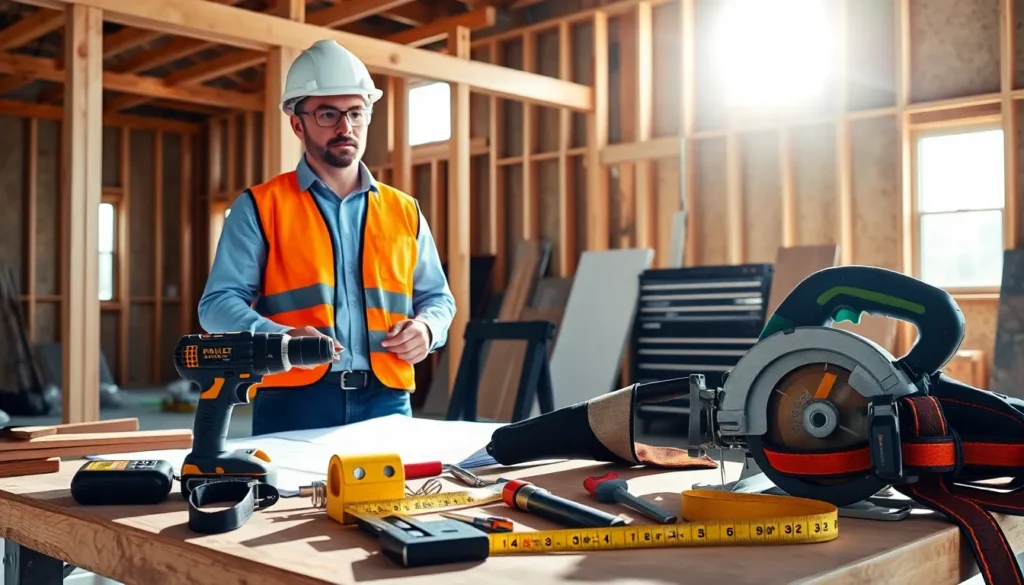

Building and construction tools form the backbone of every successful project. Whether someone is framing a house, installing drywall, or tackling a weekend renovation, the right equipment makes all the difference. Quality construction tools improve efficiency, ensure precision, and keep workers safe on the job site.
This guide covers the essential building and construction tools professionals and DIY enthusiasts need. From hammers to power drills, measuring devices to safety gear, each category plays a critical role in getting the job done right.
Table of Contents
ToggleKey Takeaways
- Quality building and construction tools improve efficiency, ensure precision, and keep workers safe on every project.
- Hand tools like hammers, screwdrivers, and pliers remain essential for their control and reliability, lasting decades with proper care.
- Cordless drills and impact drivers are must-have power tools that multiply productivity on the job site.
- Measuring tools such as tape measures, levels, and laser levels separate professional-quality work from amateur results.
- Safety equipment—including hard hats, safety glasses, and hearing protection—prevents injuries and is required on most commercial sites.
- Match your tools to your project scope: buy quality for daily-use items and rent specialty tools you’ll only use once.
Hand Tools Every Builder Needs
Hand tools remain essential on every construction site. They offer control, portability, and reliability that powered equipment can’t always match.
Hammers sit at the top of the list. A 16-ounce claw hammer handles most framing and finishing tasks. For heavier work, a 20-ounce framing hammer drives nails faster with fewer swings.
Screwdrivers come next. Builders need both flathead and Phillips varieties in multiple sizes. Magnetic tips help prevent dropped screws in tight spaces.
Pliers and wrenches round out the grip tools. Needle-nose pliers reach into confined areas. Adjustable wrenches fit various bolt sizes without requiring a full set.
Hand saws still have their place. A crosscut saw cuts lumber when power isn’t available. A hacksaw handles metal pipes and bolts.
Pry bars and utility knives complete the essentials. Pry bars remove nails and separate materials. Utility knives cut everything from drywall to roofing felt.
These building and construction tools require minimal maintenance. Keep them clean, dry, and stored properly. A quality hand tool can last decades with basic care.
Must-Have Power Tools for Construction Projects
Power tools multiply a worker’s productivity. They cut, drill, and fasten faster than any manual alternative.
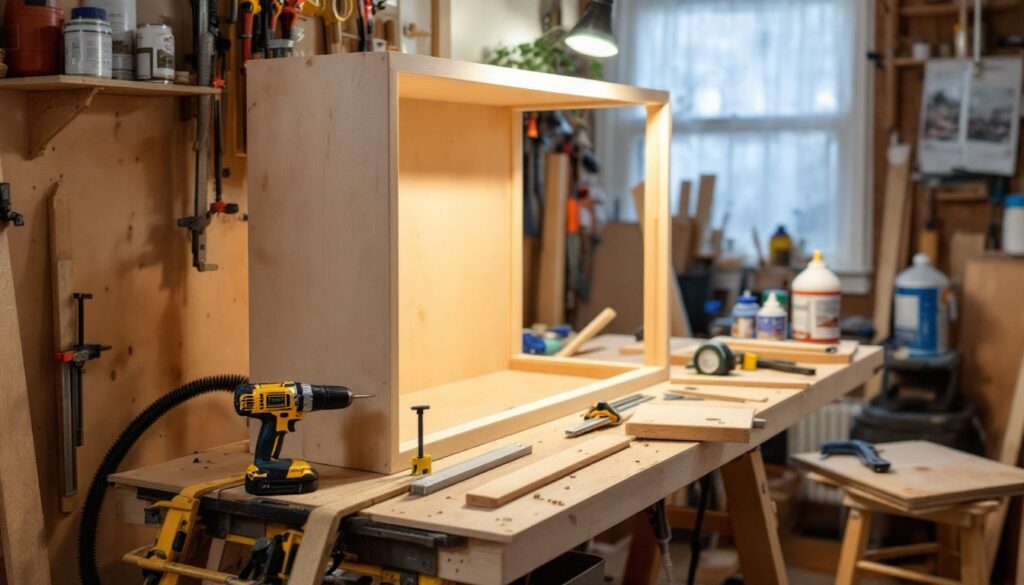
Cordless drills lead the power tool category. Modern lithium-ion batteries provide enough power for most drilling and driving tasks. Look for models with variable speed and a keyless chuck for quick bit changes.
Circular saws cut lumber to size on site. A 7¼-inch blade handles standard framing lumber. Worm-drive models offer more torque for demanding cuts.
Reciprocating saws demolish old construction quickly. They cut through wood, metal, and even nails embedded in lumber. Demolition crews rely on them daily.
Jigsaws create curved cuts that circular saws can’t manage. They’re ideal for cutting outlet openings in drywall or shaping trim pieces.
Impact drivers have become standard building and construction tools. They drive screws faster than drills and don’t strip screw heads as easily. The rotational force makes deck screws and lag bolts much easier to install.
Miter saws deliver precise angle cuts for trim work. A 10-inch sliding compound miter saw handles most crown molding and baseboard projects.
Battery platforms matter when buying power tools. Sticking with one manufacturer’s battery system saves money and reduces clutter on the job site.
Measuring and Layout Tools
Accuracy separates professional work from amateur attempts. Measuring and layout tools ensure every cut and placement hits the mark.
Tape measures are the most-used construction tools on any site. A 25-foot tape covers most residential projects. Look for one with a magnetic tip and standout of at least 10 feet.
Levels keep everything plumb and true. A 4-foot box level works for most framing and cabinet installation. Torpedo levels fit into toolboxes for quick checks.
Laser levels have transformed layout work. They project perfectly straight lines across rooms, making tile installation and suspended ceiling work much faster.
Speed squares mark 90-degree and 45-degree angles instantly. They also serve as saw guides for quick crosscuts. Every carpenter carries one.
Chalk lines snap long, straight reference marks. They’re essential for laying out walls on subfloors or marking shingle courses on roofs.
Framing squares handle larger layout tasks. The 16-inch by 24-inch steel squares calculate rafter angles and check corners for square.
These building and construction tools don’t require batteries or maintenance. But they do require protection. A dropped level loses its accuracy. A bent tape measure gives false readings.
Safety Equipment and Accessories
Construction sites present real hazards. Proper safety equipment prevents injuries and saves lives.
Hard hats protect against falling objects and overhead strikes. OSHA requires them on most commercial job sites. Replace any hard hat that takes a significant impact.
Safety glasses shield eyes from flying debris. Wraparound styles offer side protection. Anti-fog coatings help in humid conditions.
Hearing protection matters more than many workers realize. Power saws and nail guns cause permanent hearing damage over time. Earmuffs or foam plugs should be worn during loud operations.
Work gloves protect hands from splinters, cuts, and abrasions. Leather gloves handle rough materials. Cut-resistant gloves work around sheet metal.
Knee pads make floor-level work sustainable. Flooring installers and tile setters wear them all day. Gel-filled pads offer the most comfort.
Dust masks and respirators filter harmful particles. N95 masks handle wood dust and drywall. Silica dust from concrete cutting requires P100 filters or better.
Tool belts and pouches keep building and construction tools accessible. A good belt distributes weight across the hips. Suspenders help on long shifts.
How to Choose the Right Tools for Your Project
Matching tools to tasks saves money and improves results. Here’s how to make smart choices.
Assess the project scope first. A weekend shelf project doesn’t need professional-grade equipment. A full kitchen remodel does. Buy quality where it matters, and rent specialty items used only once.
Consider frequency of use. Building and construction tools used daily should be the best a budget allows. Occasional-use items can be mid-range without sacrificing much performance.
Read reviews from actual users. Professional contractors share honest feedback online. They identify weak points manufacturers don’t advertise.
Check warranty terms. Quality tool brands back their products. Some offer lifetime warranties on hand tools. Power tool warranties typically run 3 to 5 years.
Don’t ignore ergonomics. A lighter drill causes less fatigue over an 8-hour day. Rubberized grips reduce vibration and improve control.
Buy in sets when starting out. Starter sets provide good value for new builders. They typically include the most common building and construction tools at a lower combined price.
Upgrade strategically over time. Replace worn tools with better versions. Build a collection that matches actual work patterns rather than hypothetical needs.