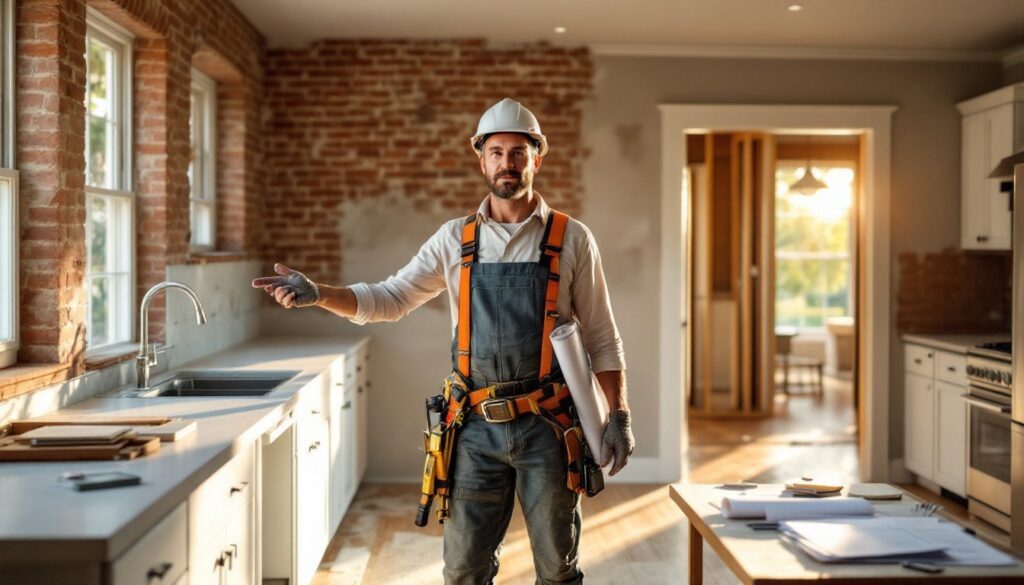
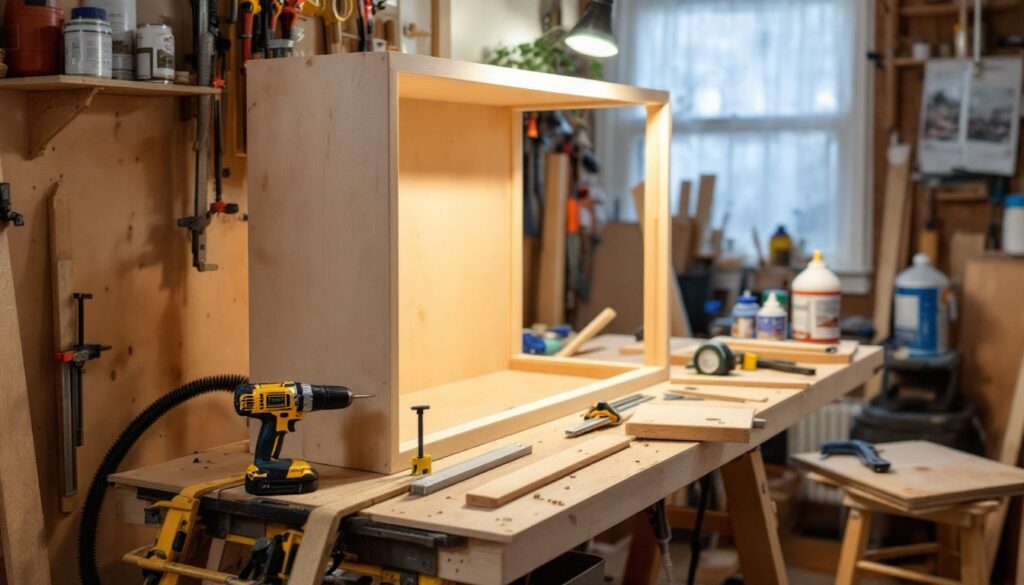
Building and construction trends 2026 will reshape how projects are designed, built, and operated. The industry faces pressure to reduce costs, meet sustainability goals, and address ongoing labor shortages. These challenges are driving rapid adoption of new technologies and methods.
From green building practices to 3D-printed structures, the construction sector is evolving faster than ever. Companies that understand these building and construction trends 2026 will gain a competitive edge. Those that don’t risk falling behind.
This article breaks down the key shifts every contractor, developer, and industry professional should watch. Each trend offers practical insights for planning projects in the year ahead.
Table of Contents
ToggleKey Takeaways
- Building and construction trends 2026 prioritize sustainability, with net-zero buildings and mass timber construction becoming mainstream options.
- Modular and prefabricated construction can reduce project timelines by 30-50% while improving cost predictability and quality control.
- Smart building technology powered by IoT sensors and AI can cut energy consumption by 15-30% in commercial properties.
- 3D printing and advanced materials like self-healing concrete are moving from experimental to practical applications on job sites.
- Robotics, exoskeletons, and expanded apprenticeship programs are helping the industry address ongoing skilled labor shortages.
- Companies that adopt these building and construction trends 2026 early will gain competitive advantages through lower costs and faster project delivery.
Sustainable and Green Building Practices
Sustainability remains the dominant force shaping building and construction trends 2026. Governments worldwide are tightening energy efficiency standards. Clients increasingly demand eco-friendly buildings. This combination is pushing green construction from a niche preference to an industry standard.
Net-zero buildings will see significant growth in 2026. These structures produce as much energy as they consume through solar panels, geothermal systems, and high-performance insulation. The upfront costs are dropping, making net-zero designs viable for commercial and residential projects alike.
Mass timber construction is gaining momentum as a concrete alternative. Cross-laminated timber (CLT) stores carbon rather than releasing it. Several major projects in North America and Europe now use mass timber for mid-rise and high-rise buildings. Expect this trend to accelerate.
Circular construction practices are also emerging. Builders are designing structures for disassembly, allowing materials to be reused at end-of-life. This approach reduces waste and cuts long-term costs. Forward-thinking firms are already incorporating circular principles into their 2026 project plans.
Green certifications like LEED and BREEAM continue to influence market value. Properties with these credentials command higher rents and sale prices. Investors recognize that sustainable buildings carry lower operational costs and regulatory risks.
Modular and Prefabricated Construction
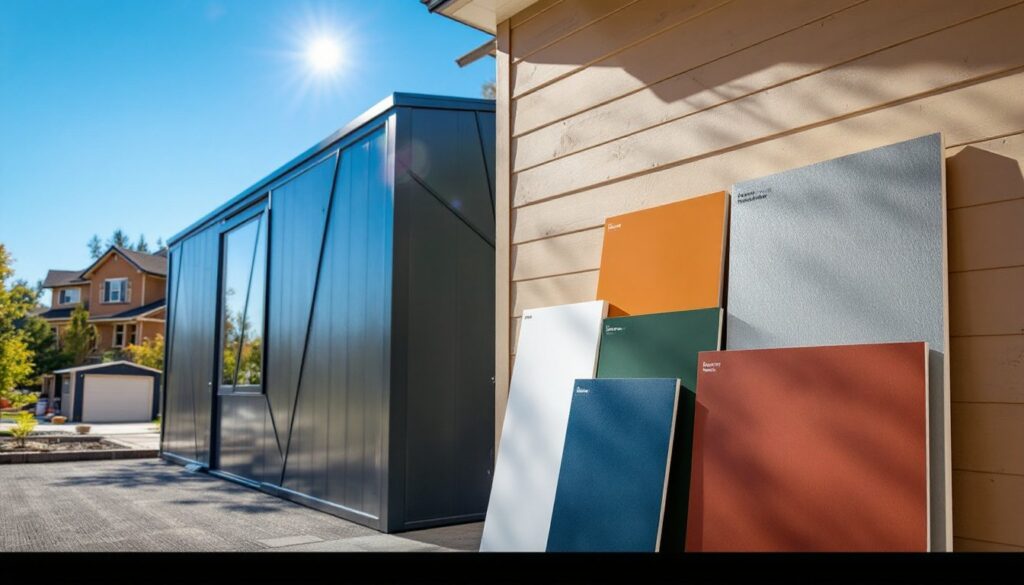
Modular and prefabricated construction will expand significantly among building and construction trends 2026. These methods move much of the building process to controlled factory environments. The result is faster project timelines and reduced waste.
Modular construction can cut project schedules by 30-50% compared to traditional methods. Factory settings allow work to continue regardless of weather conditions. Quality control improves because components are built under consistent conditions with precise tolerances.
The housing sector is driving much of this growth. Affordable housing shortages in major cities create demand for faster, cheaper building methods. Modular apartment complexes can be assembled in weeks rather than months. Several cities are now updating zoning codes to accommodate modular projects.
Healthcare and education sectors are also adopting prefabrication. Hospitals need new facilities quickly to meet patient demand. Schools require flexible spaces that can be modified as needs change. Prefabricated components offer solutions for both.
Cost predictability is another advantage. Traditional construction often runs over budget due to site delays and material price fluctuations. Factory-built components lock in costs earlier in the project lifecycle. This predictability appeals to developers and lenders.
The stigma around prefab quality is fading. Modern modular buildings are virtually indistinguishable from traditionally constructed structures. High-end hotels and office buildings now use modular methods without compromising aesthetics.
Smart Building Technology and Automation
Smart building technology stands out among building and construction trends 2026. Internet of Things (IoT) sensors, artificial intelligence, and automation systems are transforming how buildings operate.
Building management systems now integrate HVAC, lighting, security, and energy use into unified platforms. AI algorithms analyze data from thousands of sensors to optimize performance in real time. These systems reduce energy consumption by 15-30% in commercial buildings.
Digital twins are becoming standard for large projects. A digital twin is a virtual replica of a physical building that updates with live data. Facility managers use digital twins to predict maintenance needs, test system changes, and plan renovations without disrupting operations.
Occupancy sensors have evolved beyond simple motion detection. Advanced systems track how people move through spaces and adjust conditions accordingly. Meeting rooms that sit empty don’t get heated or cooled. Lights dim in areas without activity. These small adjustments add up to major savings.
Construction sites themselves are getting smarter. Drones survey progress and identify safety hazards. Wearable devices monitor worker health and location. Project management software uses AI to flag potential delays before they happen.
Cybersecurity concerns are growing alongside smart building adoption. Connected systems create potential vulnerabilities. The building and construction trends 2026 include increased investment in security protocols and regular system audits.
Advanced Materials and 3D Printing
Advanced materials and 3D printing represent some of the most exciting building and construction trends 2026. New materials offer better performance, lower environmental impact, and novel design possibilities.
Self-healing concrete contains bacteria that produce limestone when exposed to water and air. Cracks seal themselves, extending structure lifespan and reducing maintenance costs. Several infrastructure projects are already testing this technology at scale.
Graphene-enhanced materials are moving from labs to job sites. Adding small amounts of graphene to concrete increases strength while reducing the amount of material needed. This cuts both costs and carbon emissions.
3D printing in construction has progressed beyond experimental stages. Printers can now produce structural components, entire walls, and even complete small buildings. A 3D-printed house can be completed in days rather than weeks.
The technology excels at creating complex geometries that would be expensive or impossible with traditional methods. Architects are designing curved walls, intricate facades, and custom shapes without premium price tags.
Material waste drops dramatically with 3D printing. Traditional construction generates significant scrap. Printers use only the material needed for each component. This efficiency aligns with sustainability goals and reduces disposal costs.
Supply chain benefits also matter. 3D printers can use locally sourced materials, reducing transportation costs and delays. Some systems even process recycled materials into new building components.
Workforce Development and Labor Solutions
Labor challenges rank high among building and construction trends 2026. The industry faces skilled worker shortages across most markets. Companies are responding with new training approaches and technology adoption.
Apprenticeship programs are expanding with industry and government support. These programs combine classroom instruction with hands-on experience. Many now incorporate virtual reality training that lets workers practice skills in safe, simulated environments.
Robotics and automation address labor gaps by handling repetitive or dangerous tasks. Bricklaying robots, automated rebar tying machines, and robotic demolition equipment are entering mainstream use. These tools don’t replace workers, they multiply their productivity.
Exoskeletons help workers perform physically demanding tasks with less strain. These wearable devices support lifting, overhead work, and repetitive motions. They reduce injuries and extend careers for aging workers.
Diversity and inclusion initiatives are bringing new talent into the industry. Construction has traditionally attracted a narrow demographic. Outreach programs targeting women, veterans, and underrepresented groups are expanding the talent pool.
Remote work options exist even in construction. Design, project management, and administrative roles can be performed from anywhere. Offering flexibility helps companies compete for talent against other industries.
Compensation is rising to attract and retain workers. Entry-level wages have increased significantly in recent years. Benefits packages now commonly include health insurance, retirement plans, and paid training. These improvements make construction careers more appealing.