First-time homeowner ideas can transform an empty property into a space that feels truly yours. Buying a home marks a major milestone, but the real work begins after closing day. New homeowners often face decisions about upgrades, decor, maintenance, and improvements, all while managing a budget. This guide covers practical strategies for first-time homeowners who want to settle in smartly. From essential upgrades to long-term value investments, these ideas help new buyers make their house feel like home without unnecessary stress or overspending.
Table of Contents
ToggleKey Takeaways
- First-time homeowners should prioritize safety upgrades like changing locks and testing smoke detectors before focusing on decor.
- Budget-friendly decorating ideas include painting walls, upgrading light fixtures, and shopping secondhand for furniture.
- Energy-efficient improvements like better insulation, smart thermostats, and Energy Star appliances reduce monthly costs and boost home value.
- Create a monthly and seasonal maintenance checklist to prevent small issues from becoming expensive repairs.
- Build an emergency fund of 1-3% of your home’s value to cover unexpected repair costs without going into debt.
- Learning basic DIY repair skills helps first-time homeowners save money on simple fixes while knowing when to call professionals.
Essential Upgrades to Prioritize First
First-time homeowner ideas should start with safety and functionality. Before hanging artwork or picking paint colors, focus on upgrades that protect the home and its occupants.
Change the Locks
Rekeying or replacing locks should happen on day one. Previous owners, contractors, or neighbors might have spare keys. A locksmith can rekey existing locks affordably, or homeowners can install new deadbolts themselves. Smart locks offer keyless entry and activity tracking, a worthwhile upgrade for added security.
Inspect and Replace Smoke Detectors
Smoke and carbon monoxide detectors save lives. First-time homeowners should test all units immediately. Replace any detector older than ten years. Install detectors on every floor and inside each bedroom. Battery-powered models work fine, but hardwired units with battery backup provide better protection.
Check the HVAC System
Heating and cooling systems need attention early. Change the air filter right away, dirty filters strain the system and reduce air quality. Schedule a professional inspection within the first month. Technicians can identify issues before they become expensive repairs. Many utility companies offer free or discounted home energy audits for first-time homeowners.
Address Water Issues
Water damage causes costly problems. Check under sinks for leaks, inspect the water heater’s age and condition, and locate the main shutoff valve. First-time homeowners should learn how to turn off water quickly during emergencies. Consider installing water leak sensors near appliances and in basements.
Budget-Friendly Decorating Tips
First-time homeowner ideas for decorating don’t require a designer’s budget. Strategic choices create big impact without draining savings.
Start With Paint
Paint offers the highest return on investment for visual transformation. A fresh coat of paint costs relatively little but completely changes a room’s feel. Stick to neutral base colors for walls, they appeal to most tastes and photograph well for future resale. Add personality through accent walls or colorful trim.
Focus on Lighting
Builder-grade light fixtures often look cheap. Swapping outdated fixtures for modern alternatives instantly elevates any space. Thrift stores, estate sales, and online marketplaces sell quality fixtures at fraction of retail prices. Add dimmer switches to control ambiance, they cost under $20 each and install easily.
Shop Secondhand First
Furnishing an entire home gets expensive fast. First-time homeowners benefit from patience. Estate sales, Facebook Marketplace, and consignment shops offer solid furniture at deep discounts. Solid wood pieces from decades past often outlast modern particle board alternatives. A coat of paint or new hardware refreshes dated items.
Use What You Have Creatively
Moving boxes contain decorating opportunities. Frame meaningful photos, display collected items on shelves, or repurpose textiles from previous living spaces. Rugs, curtains, and throw pillows add warmth without permanent commitment. First-time homeowners should live in their space before making major purchases, needs become clearer after a few months.
Smart Home Improvements for Long-Term Value
First-time homeowner ideas should include improvements that pay dividends over time. Some upgrades reduce monthly costs while increasing resale value.
Improve Insulation
Poor insulation wastes energy and money. Attic insulation often degrades or settles over time. Adding insulation costs relatively little but can cut heating and cooling bills by 15% or more. First-time homeowners can install blown-in or batt insulation themselves with basic tools and safety equipment.
Upgrade to Energy-Efficient Appliances
Replacing outdated appliances makes sense financially. Energy Star certified models use 10-50% less energy than standard alternatives. Wait for holiday sales or look for scratch-and-dent discounts at appliance stores. Many utilities offer rebates for energy-efficient purchases, check local programs before buying.
Install a Programmable Thermostat
Smart thermostats learn household patterns and adjust temperatures automatically. First-time homeowners can save $100-150 annually with proper thermostat use. Popular models like Nest or Ecobee install in under an hour. They also provide remote access through smartphone apps.
Consider Solar Options
Solar panels have dropped significantly in price. Many states offer tax credits and incentives for installation. First-time homeowners might also explore solar water heaters or attic fans. Even small solar investments reduce utility dependence and appeal to future buyers.
Building a Maintenance Routine
First-time homeowner ideas must include ongoing maintenance. Preventive care costs less than emergency repairs.
Create a Monthly Checklist
Regular tasks prevent small issues from becoming major problems. Monthly maintenance should include testing smoke detectors, checking for water leaks, inspecting HVAC filters, and clearing drains. Keep a simple checklist on the refrigerator or set phone reminders.
Seasonal Maintenance Matters
Each season brings specific tasks. Spring calls for gutter cleaning and exterior inspection after winter weather. Summer requires air conditioning service and lawn care attention. Fall means preparing for cold weather, cleaning gutters again, checking weatherstripping, and servicing the furnace. Winter tasks include preventing frozen pipes and monitoring ice dams.
Build an Emergency Fund
Homeownership brings unexpected expenses. Financial experts recommend keeping 1-3% of the home’s value in reserve for repairs. First-time homeowners should start saving immediately, even if contributions begin small. This fund provides peace of mind and prevents credit card debt when the roof leaks or the furnace fails.
Learn Basic Skills
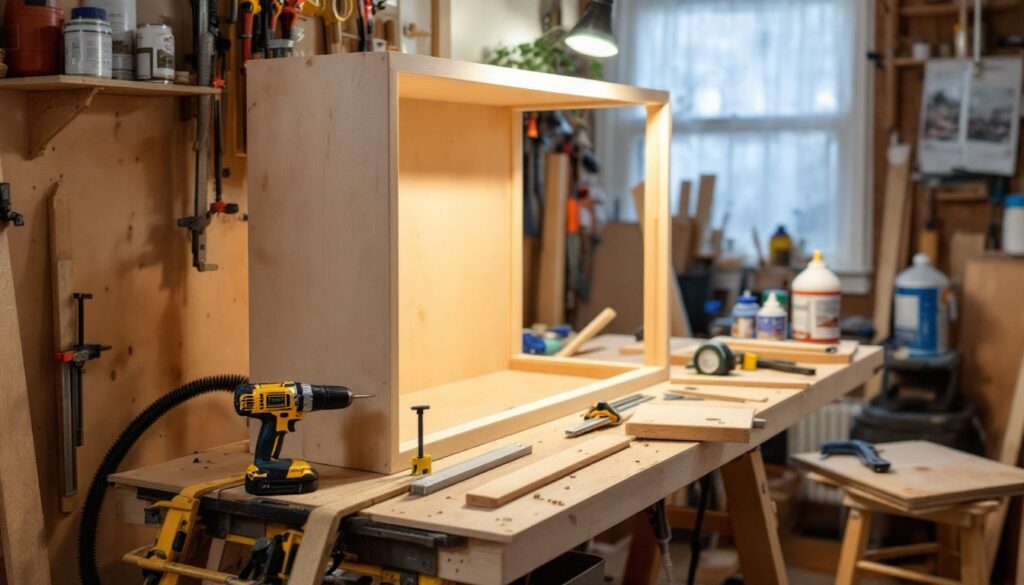
First-time homeowners save money by handling simple repairs themselves. YouTube tutorials cover everything from unclogging drains to patching drywall. Invest in basic tools: a drill, hammer, pliers, adjustable wrench, and tape measure handle most tasks. Know personal limits, though, electrical and plumbing work often requires licensed professionals.