First-time homeowners face a steep learning curve after closing day. The keys are in hand, but the real work begins now. Owning a home means managing finances, maintaining property, and building long-term wealth. This guide covers everything new homeowners need to know, from budgeting for hidden costs to avoiding expensive mistakes. Whether they just signed the papers or are preparing for that milestone, first-time homeowners will find practical advice to make this transition smoother and more rewarding.
Table of Contents
ToggleKey Takeaways
- First-time homeowners should budget 1% to 3% of the home’s purchase price annually for maintenance and keep an emergency fund of $5,000 to $10,000 for unexpected repairs.
- Request PMI removal once you reach 20% equity—many homeowners forget this and leave money on the table.
- Establish relationships with trusted contractors before emergencies happen by asking neighbors for recommendations and comparing quotes.
- Never skip a home inspection, even in competitive markets—it’s the best $300 to $500 first-time homeowners can spend.
- Buy below your maximum approved mortgage amount to maintain financial flexibility for savings, travel, and unexpected expenses.
- Prioritize home improvements that fix existing problems over cosmetic upgrades, as deferred maintenance compounds quickly and reduces property value.
Understanding the Financial Responsibilities of Homeownership
The mortgage payment is just the beginning. First-time homeowners quickly discover that owning property comes with several ongoing financial obligations.
Property Taxes and Insurance
Property taxes vary widely by location. Some areas charge 0.5% of home value annually, while others exceed 2%. First-time homeowners should research local tax rates before buying and budget accordingly. Homeowners insurance protects against damage from fire, theft, and certain natural disasters. Lenders require this coverage, and policies typically cost $1,200 to $2,500 per year depending on location and coverage levels.
The True Cost of Monthly Expenses
Beyond the mortgage, first-time homeowners pay for utilities, HOA fees (if applicable), and routine maintenance. A good rule: budget 1% to 3% of the home’s purchase price annually for upkeep. On a $350,000 home, that’s $3,500 to $10,500 per year.
First-time homeowners should also establish an emergency fund specifically for home repairs. Water heaters fail. Roofs leak. HVAC systems break down in August. Having $5,000 to $10,000 set aside prevents these surprises from becoming financial crises.
Private Mortgage Insurance (PMI)
Buyers who put down less than 20% typically pay PMI. This adds $100 to $300 monthly on average. The good news? First-time homeowners can request PMI removal once they reach 20% equity. Many forget to do this, don’t leave money on the table.
Essential Home Maintenance Tasks Every New Homeowner Should Know
Regular maintenance prevents small problems from becoming expensive repairs. First-time homeowners benefit from creating a seasonal checklist.
Monthly Tasks
- Replace HVAC filters every 30 to 90 days
- Test smoke and carbon monoxide detectors
- Check for water leaks under sinks
- Clean garbage disposal with ice and citrus
Seasonal Maintenance
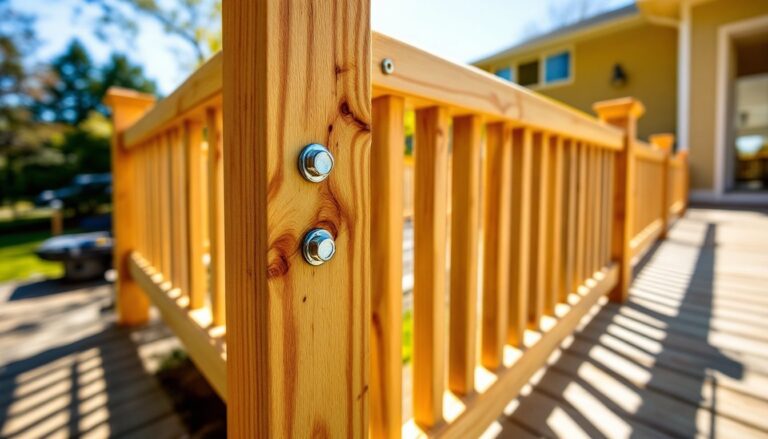
Spring brings gutter cleaning and AC inspection. Summer means checking irrigation systems and sealing deck surfaces. Fall requires furnace tune-ups and weatherstripping doors. Winter calls for pipe insulation and checking roof condition after storms.
Know What You Can DIY
First-time homeowners don’t need to hire professionals for everything. Painting, caulking, and basic landscaping save hundreds of dollars. But, electrical work, plumbing beyond simple fixes, and structural changes require licensed contractors. The cost of fixing a DIY disaster often exceeds hiring a pro from the start.
Build Relationships with Reliable Contractors
First-time homeowners should identify trusted plumbers, electricians, and HVAC technicians before emergencies happen. Ask neighbors for recommendations. Read reviews. Get multiple quotes for larger projects. A good contractor relationship pays dividends over years of homeownership.
Building Equity and Protecting Your Investment
Equity represents the portion of the home that first-time homeowners actually own. It grows through mortgage payments, property appreciation, and strategic improvements.
How Equity Builds Over Time
Early mortgage payments go mostly toward interest. As the loan matures, more of each payment reduces principal. First-time homeowners can accelerate equity building by making extra principal payments. Even $100 extra monthly can shave years off a 30-year mortgage.
Smart Home Improvements
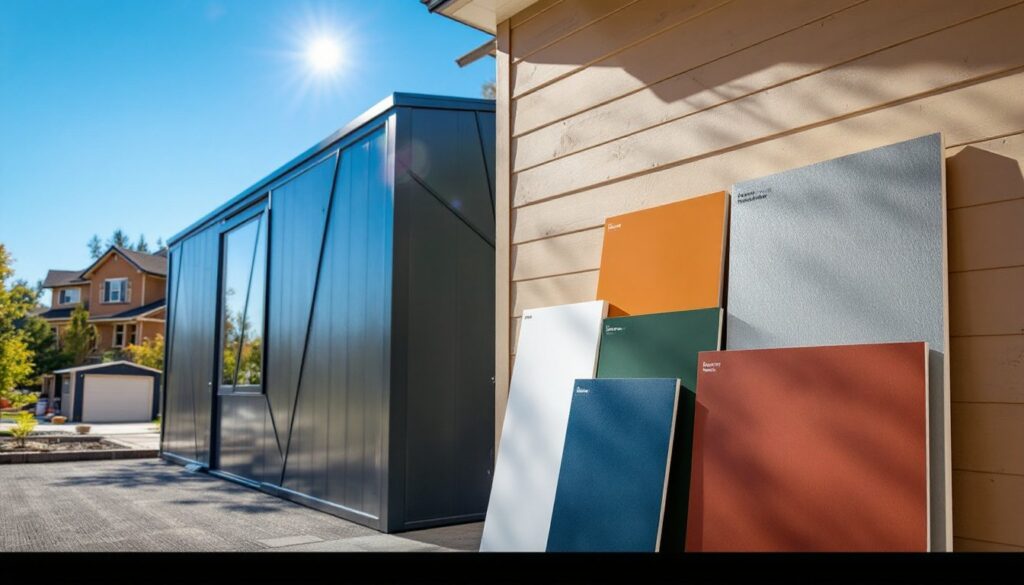
Not all renovations increase home value equally. Kitchen and bathroom updates typically return 60% to 80% of their cost at resale. Energy-efficient windows, new garage doors, and updated siding also perform well. Swimming pools and ultra-custom features often return less than they cost.
First-time homeowners should prioritize improvements that fix problems first, address that aging roof before installing a fancy backsplash.
Protecting Your Investment
Homeowners insurance covers major disasters, but first-time homeowners should review policies annually. Ensure coverage keeps pace with rising replacement costs. Consider umbrella insurance for additional liability protection. Document valuable possessions with photos and receipts for potential claims.
Regular maintenance also protects property value. Deferred upkeep compounds quickly. A $200 gutter repair ignored becomes a $5,000 foundation issue.
Common Mistakes First-Time Homeowners Should Avoid
Learning from others’ errors saves first-time homeowners time, money, and stress.
Skipping the Home Inspection
Some buyers waive inspections in competitive markets. This gamble can backfire spectacularly. Foundation problems, mold, and faulty wiring don’t reveal themselves until after closing. First-time homeowners should always get a professional inspection, it’s the best $300 to $500 they’ll spend.
Underestimating Closing Costs
Closing costs run 2% to 5% of the purchase price. On a $300,000 home, that’s $6,000 to $15,000. First-time homeowners sometimes drain savings for the down payment and scramble at closing. Plan ahead.
Ignoring the Neighborhood
First-time homeowners focus on the house and forget to research the area. Visit at different times, weekday mornings, weekend evenings, late night. Check crime statistics. Drive the commute during rush hour. A great house in a declining neighborhood won’t hold value.
Maxing Out the Budget
Lenders approve loans based on debt-to-income ratios, not lifestyle comfort. Just because someone qualifies for a $400,000 mortgage doesn’t mean they should take it. First-time homeowners who buy below their maximum maintain flexibility for travel, savings, and unexpected expenses.
Forgetting About Resale
Even first-time homeowners should think about eventual resale. Average homeownership lasts seven to ten years. That quirky floor plan or isolated location might limit future buyers. Purchase with both current needs and resale potential in mind.