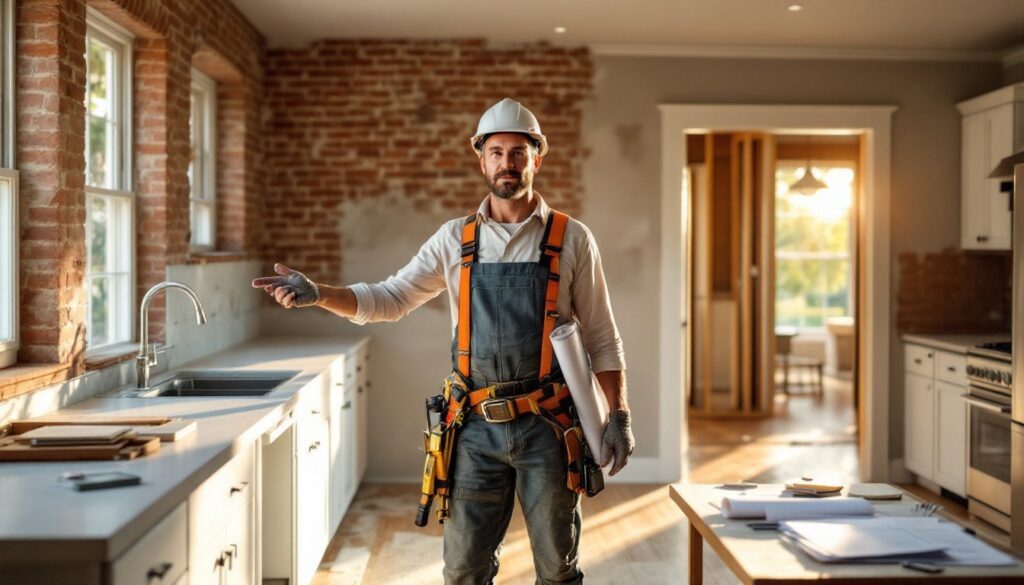
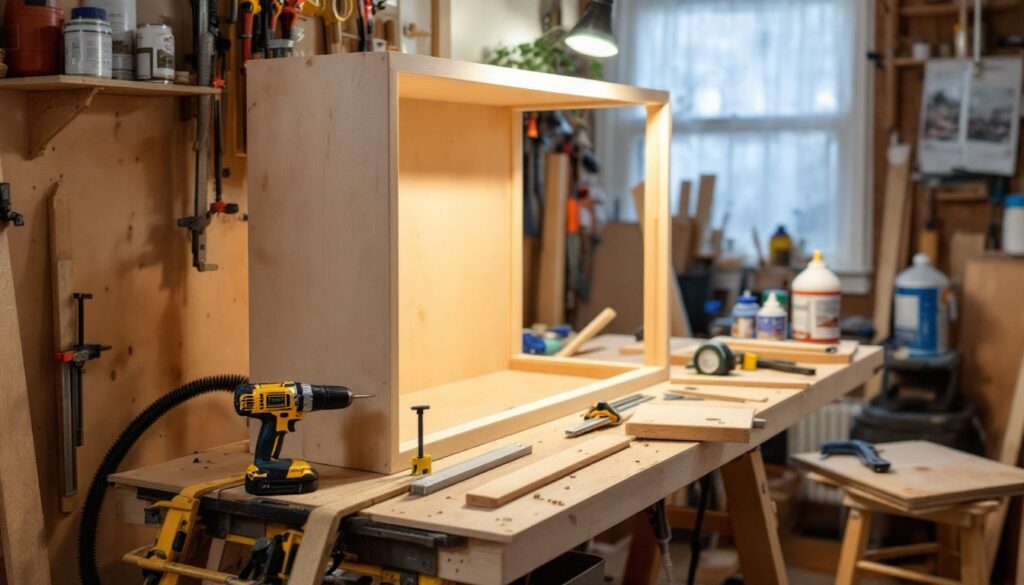
The best building and construction practices determine project success. Modern projects require careful planning, quality materials, and skilled labor. Property owners and developers face important decisions at every stage. This guide covers the key principles, materials, and methods that produce durable, efficient structures. Whether someone plans a residential home or a commercial facility, these fundamentals apply across project types.
Construction standards have evolved significantly over the past decade. Energy efficiency, safety codes, and material innovations shape how professionals approach each build. Understanding best building and construction methods helps stakeholders make informed choices. The following sections break down what matters most for achieving lasting results.
Table of Contents
ToggleKey Takeaways
- Best building and construction outcomes depend on thorough planning, quality materials, and skilled contractors working together.
- Reinforced concrete foundations and steel framing provide structural durability lasting 100 years or more.
- Modular construction reduces project timelines by 30-50% while maintaining precise quality control.
- Design-build project delivery improves communication, lowers costs, and eliminates conflicts between separate firms.
- Always verify contractor credentials, check references from similar projects, and compare detailed line-item bids before hiring.
- Investing in weather-resistant exteriors and proper waterproofing prevents the leading cause of building failures—water damage.
Key Principles of Quality Construction
Quality construction starts with solid foundations, both literally and figuratively. Several core principles guide best building and construction outcomes.
Planning and Design Excellence
Every successful project begins with thorough planning. Architects and engineers must align on structural requirements before ground breaks. Site analysis identifies soil conditions, drainage patterns, and environmental factors. These assessments prevent costly surprises during construction phases.
Blueprints should account for future needs. A building designed for expansion saves money long-term. Smart planning also incorporates local building codes from day one.
Adherence to Safety Standards
Safety remains non-negotiable in best building and construction work. OSHA regulations provide baseline requirements for worker protection. But, top contractors exceed minimum standards. They conduct regular safety audits and maintain proper insurance coverage.
Structural safety extends to occupants as well. Fire-resistant materials, proper egress routes, and seismic considerations protect people for decades after completion.
Quality Control Processes
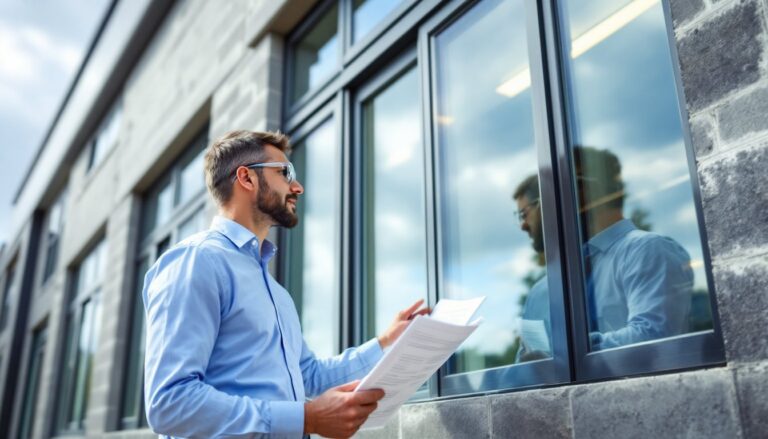
Consistent quality control catches problems early. Inspections should occur at each major milestone. Third-party inspectors provide objective assessments that internal teams might miss.
Documentation matters too. Detailed records of materials, methods, and inspections create accountability. These records prove valuable for future maintenance and any warranty claims.
Essential Materials for Durable Builds
Material selection directly impacts building longevity. Best building and construction outcomes depend on choosing appropriate materials for each application.
Concrete and Steel Foundations
Reinforced concrete remains the standard for foundations. High-quality concrete mixes resist cracking and water infiltration. Steel rebar provides tensile strength that concrete alone lacks. Together, they create foundations lasting 100 years or more.
Steel framing offers advantages for commercial structures. It provides consistent strength, resists pests, and simplifies large-span designs. Modern steel arrives pre-fabricated, reducing on-site labor time.
Sustainable and Efficient Options
Green building materials have matured considerably. Cross-laminated timber (CLT) now competes with steel for mid-rise buildings. It offers carbon storage benefits and impressive fire resistance.
Insulated concrete forms (ICFs) combine structure and insulation in one step. Buildings using ICFs often achieve 50% energy savings compared to traditional framing. These efficiencies reduce operating costs throughout the building’s life.
Weather-Resistant Exteriors
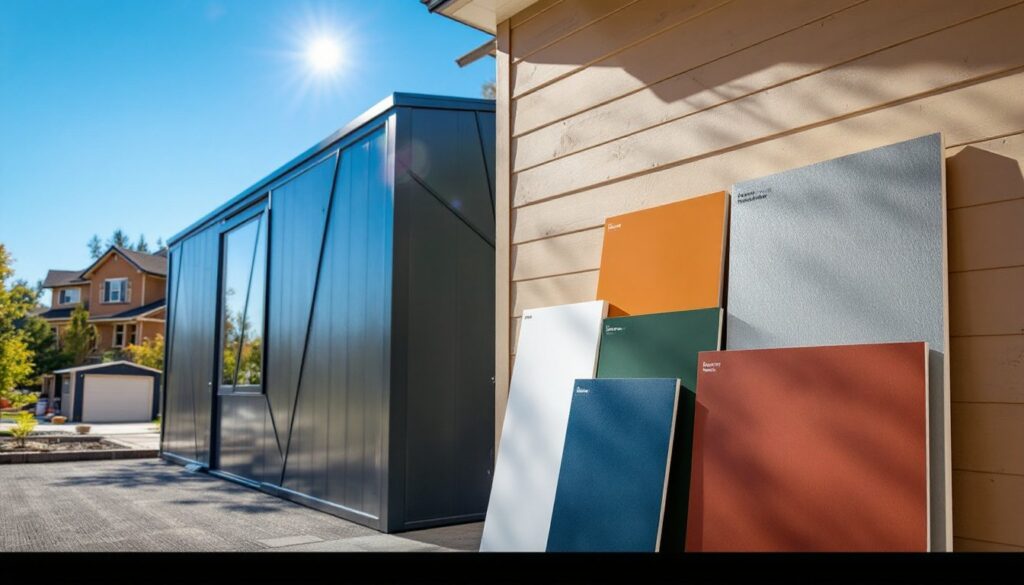
Exterior materials face harsh conditions. Best building and construction specs prioritize weather resistance. Fiber cement siding outperforms vinyl in durability. Metal roofing lasts twice as long as asphalt shingles.
Proper flashing and waterproofing details prevent moisture intrusion. Water damage causes more building failures than any other factor. Investing in quality exterior systems pays dividends.
Top Construction Methods to Consider
Construction methods continue to advance. Several approaches stand out for best building and construction results in 2025.
Modular and Prefabricated Construction
Modular construction moves significant work off-site. Factory conditions allow precise quality control regardless of weather. Buildings arrive in sections ready for assembly.
This method reduces project timelines by 30-50%. Labor shortages affect the industry less when factory production handles major components. Hotels, apartments, and healthcare facilities increasingly use modular methods.
Design-Build Project Delivery
Design-build combines architecture and construction under one contract. This eliminates finger-pointing between separate firms. Communication improves when designers and builders work as one team.
Projects using design-build typically finish faster and cost less. The unified team identifies value-engineering opportunities that separate contracts might miss.
Building Information Modeling (BIM)
BIM technology creates detailed 3D models before construction begins. These models detect conflicts between systems, plumbing versus electrical, for example, before workers encounter them on-site.
Best building and construction firms now require BIM on major projects. The technology reduces change orders and improves coordination. Owners receive accurate as-built documentation for future facility management.
How to Choose the Right Contractors
Contractor selection determines project success more than almost any other factor. Best building and construction outcomes require careful vetting.
Verify Credentials and Experience
Licensing requirements vary by state. Confirm contractors hold current, valid licenses for the project scope. Check for bonding and adequate insurance coverage.
Experience matters, but relevance matters more. A contractor with 20 years of residential experience may struggle with commercial projects. Request references from similar project types.
Evaluate Past Performance
Site visits to completed projects reveal quality levels. Look for attention to detail in trim work, fixtures, and finishes. Ask previous clients about communication, timeline adherence, and problem resolution.
Online reviews provide useful signals, but direct conversations offer deeper insights. Did the contractor stay within budget? How did they handle unexpected issues?
Compare Bids Carefully
The lowest bid rarely represents the best value. Detailed line-item bids allow accurate comparisons. Vague bids often lead to expensive change orders later.
Best building and construction contracts specify materials by brand and model. They include allowances for owner selections and clear payment schedules. Transparency in bidding indicates professionalism throughout the project.