
Building and construction examples surround us every day, from the homes we live in to the bridges we cross. The construction industry shapes how people work, travel, and connect with their communities. Modern construction projects range from single-family homes to massive infrastructure developments that serve millions.
This guide explores real-world building and construction examples across four major categories. Readers will discover residential projects, commercial developments, infrastructure works, and sustainable building practices. Each section highlights specific project types, key features, and current trends shaping the industry. Whether someone works in construction or simply wants to understand how buildings come together, these examples offer a clear picture of what modern construction looks like in practice.
Table of Contents
ToggleKey Takeaways
- Building and construction examples span four major categories: residential, commercial, infrastructure, and sustainable projects.
- Single-family homes, apartments, and planned housing developments are the most common residential construction examples, with build times ranging from 6 to 12 months.
- Commercial and industrial construction includes office buildings, retail spaces, and warehouses—with pre-engineered metal buildings offering faster, cost-effective solutions.
- Infrastructure projects like highways, bridges, and utility systems represent the largest and most complex building and construction examples in the industry.
- Sustainable construction is growing rapidly, with LEED-certified buildings using 25% less energy and 11% less water than conventional structures.
- Net-zero buildings, which produce as much energy as they consume, now cost only 1% to 2% more than traditional construction methods.
Residential Construction Examples
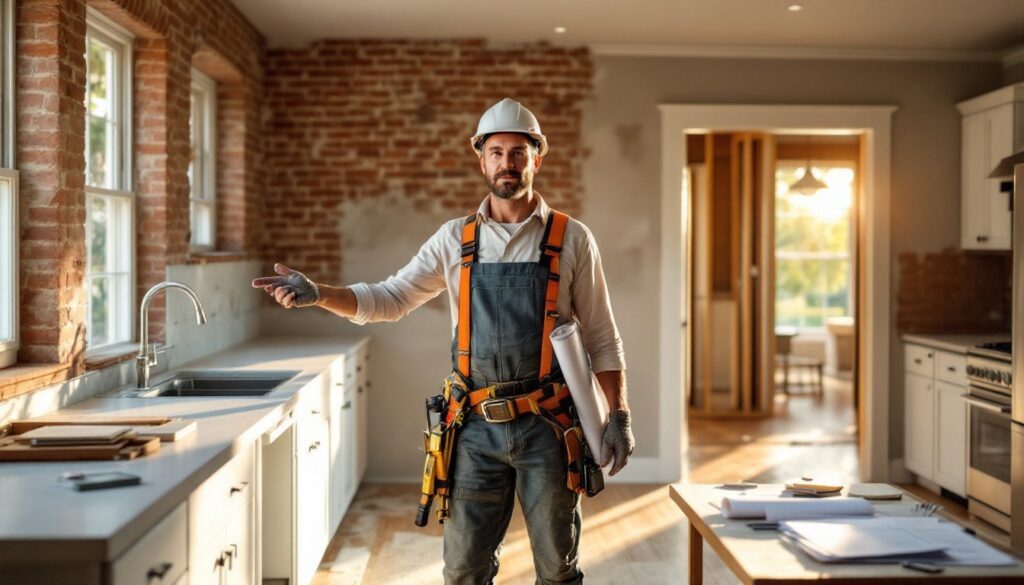
Residential construction covers all projects designed for people to live in. This category includes single-family homes, multi-family units, and large-scale housing developments. Each project type serves different needs and budgets.
Single-Family Homes
Single-family homes remain the most common building and construction example in residential work. These projects include:
- Custom-built homes – Owners work with architects to design unique floor plans and features
- Spec homes – Builders construct homes before finding a buyer, based on market demand
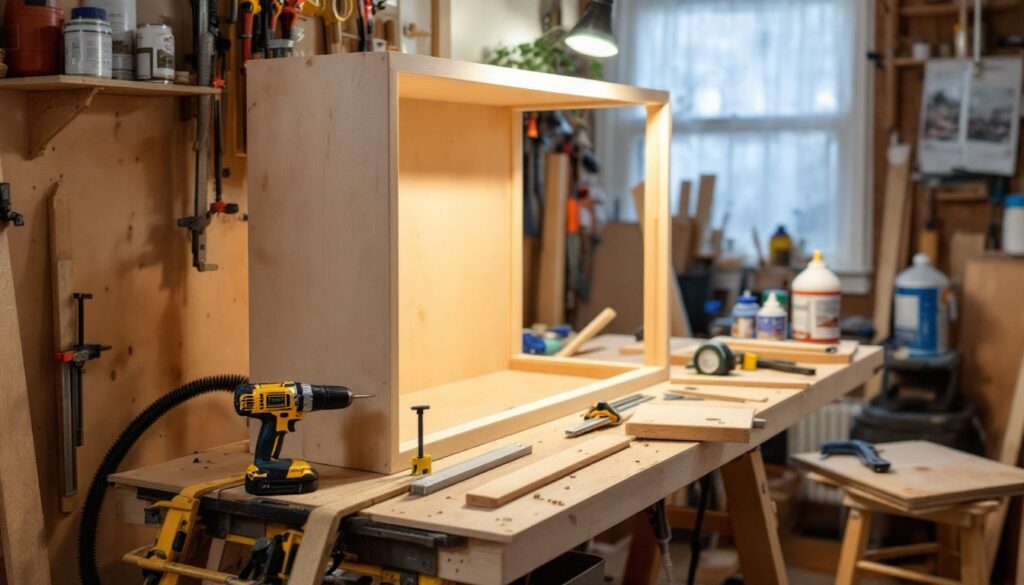
- Modular homes – Factories produce sections off-site, then crews assemble them on location
A typical single-family home takes 6 to 12 months to complete. Construction costs vary widely based on location, materials, and finishes.
Multi-Family Housing
Multi-family construction includes duplexes, townhouses, and apartment complexes. These building and construction examples serve growing urban populations where land costs make single-family homes less practical.
Apartment buildings often feature:
- Shared amenities like gyms, pools, and common areas
- Underground or structured parking
- Mixed-use ground floors with retail or office space
Housing Developments
Large-scale residential developments combine dozens or hundreds of homes in planned communities. Developers handle everything from land acquisition to infrastructure installation. These projects often include parks, schools, and commercial areas within the same development.
Residential construction continues to evolve. Builders now incorporate smart home technology, energy-efficient systems, and flexible floor plans that accommodate remote work.
Commercial and Industrial Construction Examples
Commercial and industrial construction serves businesses and manufacturing operations. These building and construction examples require different approaches than residential work.
Office Buildings
Office construction ranges from small professional buildings to towering skyscrapers. Modern office buildings prioritize:
- Open floor plans that allow flexible workspace arrangements
- High-speed data infrastructure
- Natural lighting and ventilation systems
- Accessibility features that exceed code requirements
The pandemic shifted office construction trends. Many new projects now include more outdoor spaces, improved air filtration, and designs that support hybrid work models.
Retail and Hospitality
Retail construction includes shopping centers, standalone stores, and mixed-use developments. Hotels, restaurants, and entertainment venues fall under hospitality construction. These building and construction examples focus heavily on customer experience and traffic flow.
A shopping mall project involves multiple phases. Developers first construct the shell, then individual retailers build out their spaces. This approach allows customization while maintaining construction efficiency.
Industrial Facilities
Industrial construction covers:
- Warehouses and distribution centers – Amazon alone operates over 1,000 facilities worldwide
- Manufacturing plants – These require specialized systems for equipment, ventilation, and safety
- Data centers – Tech companies invest billions in facilities that house servers and networking equipment
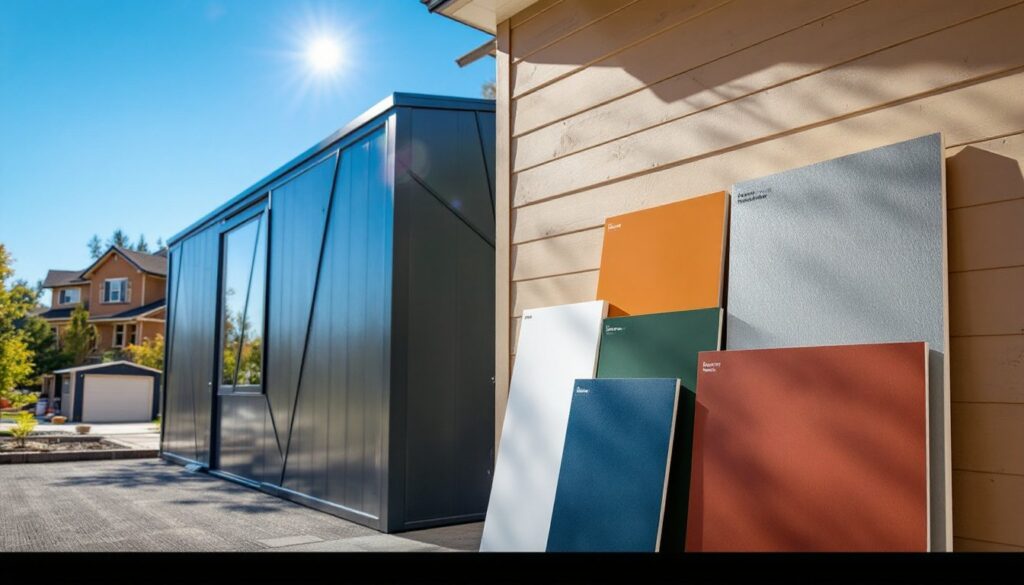
Industrial building and construction examples often feature pre-engineered metal buildings. These structures go up quickly and cost less than traditional construction methods. A 50,000-square-foot warehouse can be completed in as little as four months using pre-engineered components.
Infrastructure and Civil Engineering Projects
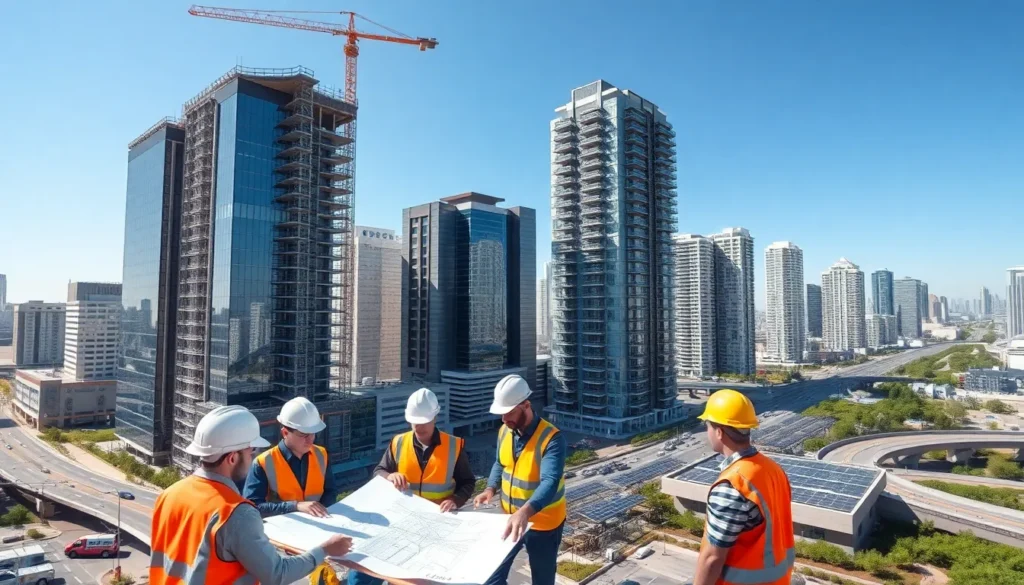
Infrastructure construction supports transportation, utilities, and public services. These building and construction examples often represent the largest and most complex projects in the industry.
Transportation Infrastructure
Transportation projects connect communities and enable commerce. Key examples include:
- Highways and roads – The U.S. Interstate Highway System spans over 48,000 miles
- Bridges – The Golden Gate Bridge required four years and 83,000 tons of steel to complete
- Tunnels – The Channel Tunnel connecting England and France runs 31 miles underwater
- Airports – A major airport terminal can cost several billion dollars and take a decade to complete
Rail construction has seen renewed interest. Cities invest in light rail and subway systems to reduce traffic congestion. High-speed rail projects continue in various countries, though they face significant cost and political challenges in the United States.
Utility Infrastructure
Utility construction keeps modern society running. These building and construction examples include:
- Water treatment plants and distribution systems
- Wastewater and sewage facilities
- Power generation stations
- Electrical transmission lines and substations
Much of America’s utility infrastructure dates back 50 to 100 years. This creates ongoing demand for replacement and upgrade projects.
Public Facilities
Public construction serves community needs. Schools, hospitals, government buildings, and recreation centers all fall into this category. These projects often require public funding and lengthy approval processes before construction begins.
Sustainable and Green Building Examples
Sustainable construction reduces environmental impact while maintaining building performance. These building and construction examples represent a growing segment of the industry.
Green Building Certifications
Several certification programs guide sustainable construction:
- LEED (Leadership in Energy and Environmental Design) – The most widely recognized green building certification in the U.S.
- ENERGY STAR – Focuses specifically on energy efficiency
- Living Building Challenge – Sets the highest standard for sustainable construction
- WELL Building Standard – Emphasizes occupant health and wellness
Over 100,000 buildings worldwide have earned LEED certification. These structures use 25% less energy and 11% less water than conventional buildings on average.
Sustainable Building Features
Green building and construction examples incorporate various sustainable elements:
- Solar panels and renewable energy systems – Many buildings now generate their own electricity
- Rainwater harvesting – Collected water serves landscaping or non-potable indoor uses
- Green roofs – Vegetation on rooftops reduces heat absorption and manages stormwater
- Recycled and local materials – These choices reduce transportation emissions and waste
Net-Zero Buildings
Net-zero buildings produce as much energy as they consume over a year. This building and construction example represents the cutting edge of sustainable design. The Bullitt Center in Seattle, completed in 2013, generates all its power from rooftop solar panels and treats wastewater on-site.
Sustainable construction costs have dropped significantly. Many green buildings now cost only 1% to 2% more than conventional construction, while delivering lower operating costs over their lifespan.