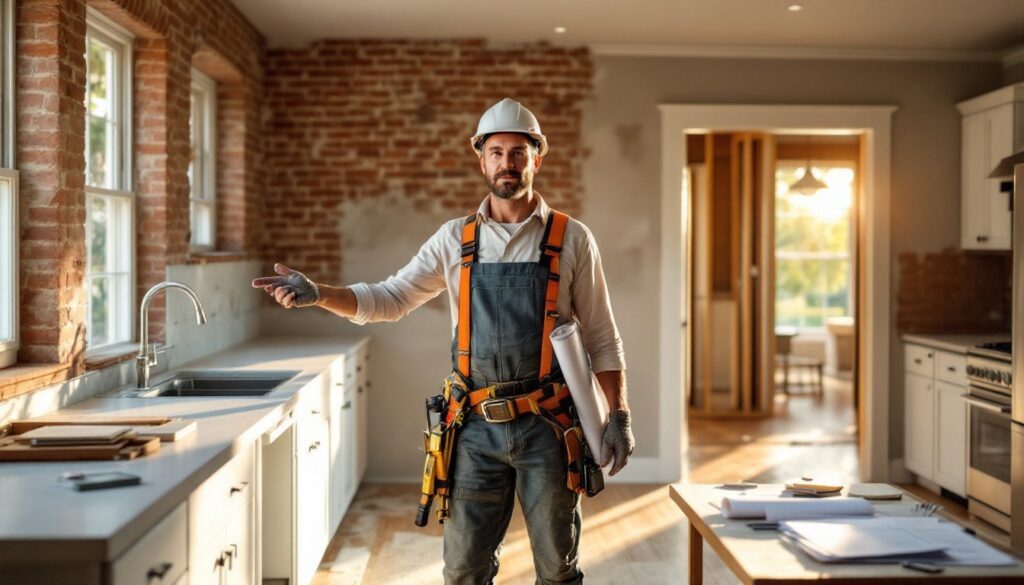
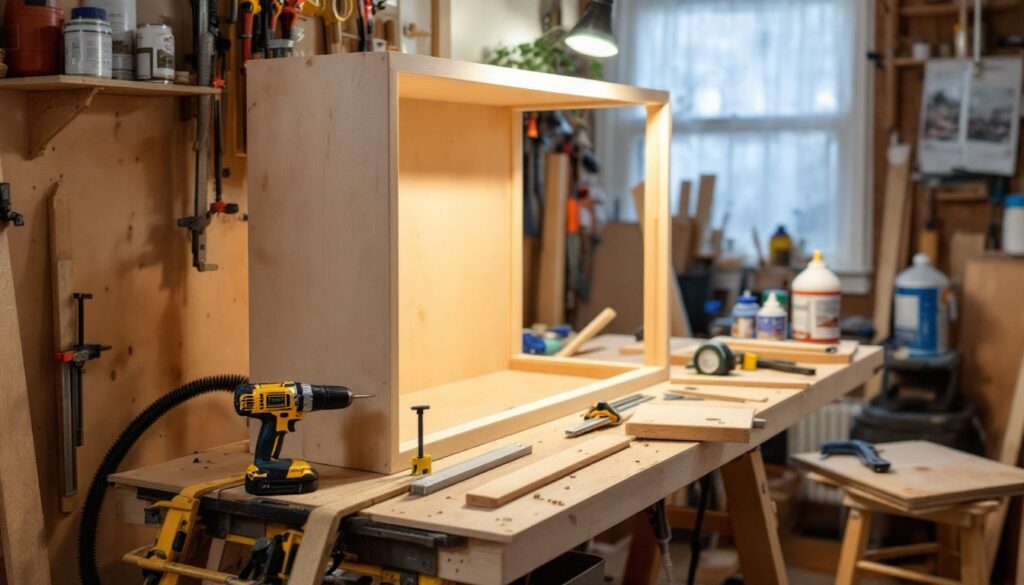
Building and construction techniques shape every structure we use daily. From homes to skyscrapers, the methods builders choose determine a project’s durability, cost, and environmental impact.
The construction industry continues to evolve. New materials and technologies offer faster build times and better energy efficiency. Yet traditional methods still hold value for certain applications. Understanding these building and construction techniques helps project managers, contractors, and property owners make informed decisions.
This guide covers essential construction methods used today. It explains traditional approaches, modern innovations, sustainable practices, and how to select the right technique for specific project needs.
Table of Contents
ToggleKey Takeaways
- Building and construction techniques directly impact a project’s durability, cost, energy efficiency, and environmental footprint.
- Traditional methods like masonry, wood framing, and cast-in-place concrete remain effective for many building types due to proven reliability and cost-effectiveness.
- Modern building techniques such as prefabrication and 3D printing can reduce construction time by 30-50% while improving quality control.
- Sustainable construction practices like Passive House design and cross-laminated timber (CLT) significantly lower energy use and carbon emissions.
- Choosing the right construction technique requires balancing project type, budget, timeline, local climate, and long-term performance needs.
Traditional Construction Methods
Traditional construction methods have proven their worth over centuries. These techniques remain popular because they work well for many building types and budgets.
Masonry Construction
Masonry uses bricks, stones, or concrete blocks joined with mortar. This building technique creates strong, fire-resistant walls. Many residential and commercial buildings still rely on masonry for exterior walls and foundations.
The main advantages include durability and thermal mass. Masonry walls absorb heat during the day and release it slowly at night. This natural temperature regulation reduces energy costs.
Wood Frame Construction
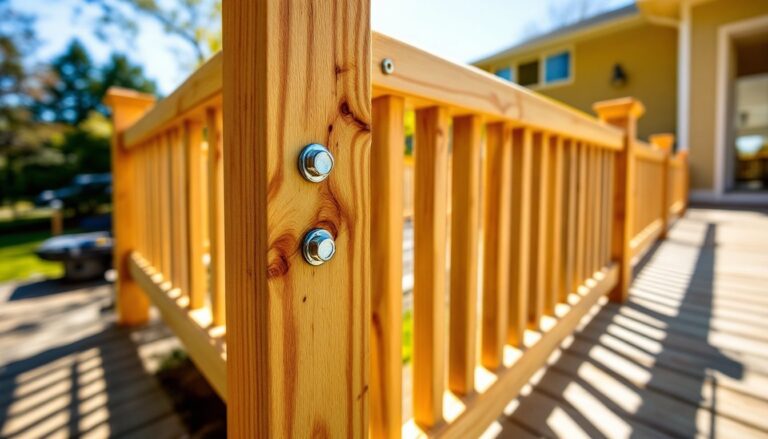
Wood framing dominates residential construction in North America. Builders create structural frames from lumber, then add sheathing, insulation, and finishing materials.
This construction technique offers flexibility and speed. Carpenters can modify wood frames easily during construction. The materials cost less than steel or concrete, making wood framing budget-friendly for homes and small commercial buildings.
Cast-in-Place Concrete
Cast-in-place concrete involves pouring liquid concrete into forms at the job site. Workers then let it cure and harden. This method creates foundations, walls, columns, and floor slabs.
The technique produces monolithic structures without joints or seams. Buildings made with cast-in-place concrete resist earthquakes and extreme weather effectively. But, the process requires significant labor and time for formwork construction.
Modern Building Techniques
Modern building techniques focus on efficiency, precision, and reduced construction time. These methods often combine factory production with on-site assembly.
Prefabrication and Modular Construction
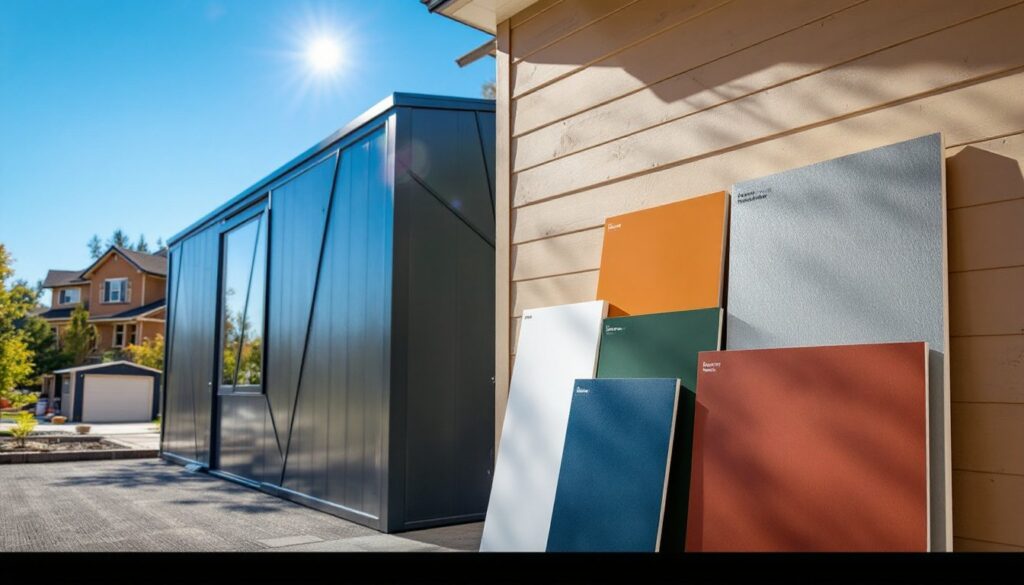
Prefabrication moves much of the construction work to controlled factory environments. Workers build wall panels, floor sections, or entire room modules off-site. Crews then transport these components and assemble them at the final location.
This building and construction technique reduces waste significantly. Factory conditions allow better quality control than outdoor job sites. Projects using prefabrication often finish 30-50% faster than traditional builds.
Steel Frame Construction
Steel framing uses I-beams, columns, and trusses to create building skeletons. This technique supports high-rise buildings and large commercial structures that need open floor plans.
Steel offers an excellent strength-to-weight ratio. Buildings require smaller foundations because steel weighs less than equivalent concrete structures. The material also allows precise engineering calculations for predictable performance.
3D Printing in Construction
3D printing technology now creates building components and even entire structures. Large printers extrude concrete or other materials layer by layer to form walls and architectural features.
This emerging construction technique reduces labor needs dramatically. A 3D-printed house can take shape in 24-48 hours of print time. The technology also enables complex geometric shapes that would be difficult or impossible with traditional methods.
Building Information Modeling (BIM)
BIM integrates digital design with construction planning. Teams create detailed 3D models that include material specifications, costs, and scheduling data. This approach improves coordination among architects, engineers, and contractors.
Projects using BIM experience fewer errors and change orders. The digital models help identify conflicts before construction begins, saving time and money.
Sustainable and Green Construction Practices
Sustainable construction techniques address environmental concerns while meeting building needs. These practices reduce energy consumption, minimize waste, and use eco-friendly materials.
Passive House Design
Passive house construction creates buildings that need minimal heating or cooling. The technique relies on super-insulated walls, airtight construction, and strategic window placement.
These buildings use 75-90% less energy than standard construction. Initial costs run higher, but owners save substantially on utility bills over the building’s lifetime.
Cross-Laminated Timber (CLT)
CLT consists of wood panels glued together in alternating directions. This building technique produces structural panels that rival concrete and steel in strength.
Wood stores carbon rather than releasing it during production. CLT buildings have lower carbon footprints than steel or concrete alternatives. The material also creates warm, attractive interior surfaces.
Green Roof Systems
Green roofs cover building tops with vegetation and growing medium. This construction technique provides insulation, manages stormwater, and reduces urban heat island effects.
Buildings with green roofs use less energy for climate control. The vegetation filters air pollutants and provides habitat for birds and insects in urban areas.
Recycled and Reclaimed Materials
Sustainable building projects increasingly use recycled steel, reclaimed wood, and repurposed materials. This approach diverts waste from landfills and reduces demand for new resource extraction.
Reclaimed materials often cost less than new alternatives. They also add character and history to building projects.
Choosing the Right Technique for Your Project
Selecting appropriate building and construction techniques requires balancing multiple factors. No single method works best for every situation.
Consider the Project Type
Residential homes typically use wood framing or masonry. High-rise buildings need steel or concrete frames. Industrial facilities often require specialized construction techniques for heavy equipment loads.
The building’s intended use shapes material and method choices. A warehouse has different needs than a hospital or school.
Evaluate Budget and Timeline
Traditional construction methods often cost less upfront but take longer. Modern techniques like prefabrication can reduce total project costs through faster completion times.
Consider both initial construction costs and long-term operating expenses. Energy-efficient building techniques may cost more to build but save money over decades of use.
Account for Local Conditions
Climate affects material choices significantly. Humid regions need moisture-resistant construction. Earthquake-prone areas require flexible or reinforced structures.
Local building codes dictate minimum standards for construction techniques. Some methods may not meet code requirements in certain jurisdictions.
Think Long-Term
Buildings last decades or centuries. Choose construction techniques that will perform well throughout the structure’s life. Factor in maintenance requirements, adaptability for future changes, and eventual demolition or recycling.