
Orlando homeowners face unique renovation challenges and opportunities. The region’s humid subtropical climate, building codes specific to Florida, and the diverse architectural styles across neighborhoods, from mid-century homes to modern condos, demand thoughtful planning. Whether you’re updating a kitchen, adding a screen enclosure to take advantage of year-round weather, or tackling a full bathroom overhaul, understanding local conditions, finding qualified contractors, and setting realistic budgets will make the difference between a smooth project and costly mistakes. This guide walks you through the essentials of home remodeling in Orlando.
Table of Contents
ToggleKey Takeaways
- Home remodeling in Orlando requires moisture-resistant materials and proper ventilation due to the region’s humid subtropical climate and Florida building codes.
- Kitchen and bathroom remodels offer the highest ROI for Orlando homeowners, with kitchens returning 50–60% in resale value and benefiting from moisture-resistant countertops like granite and quartz.
- Screen enclosures and outdoor living spaces cost $8,000–$20,000 but add significant square footage and appeal while meeting local wind-load standards for hurricane season.
- Always hire a Florida Certified Contractor verified through the DBPR website, get at least three detailed bids, and establish a payment schedule (30% down, 40% at rough-in, 30% at completion) to protect your investment.
- Set a realistic budget with a 15–20% contingency buffer for unexpected issues, as older Orlando homes often reveal hidden water damage or outdated electrical systems during demolition.
- Proper grading, drainage, and exterior-grade materials are essential in Orlando’s flatland environment to prevent foundation damage and mold from poor water management around your home.
Popular Remodeling Projects for Orlando Homeowners
Kitchen and Bathroom Upgrades
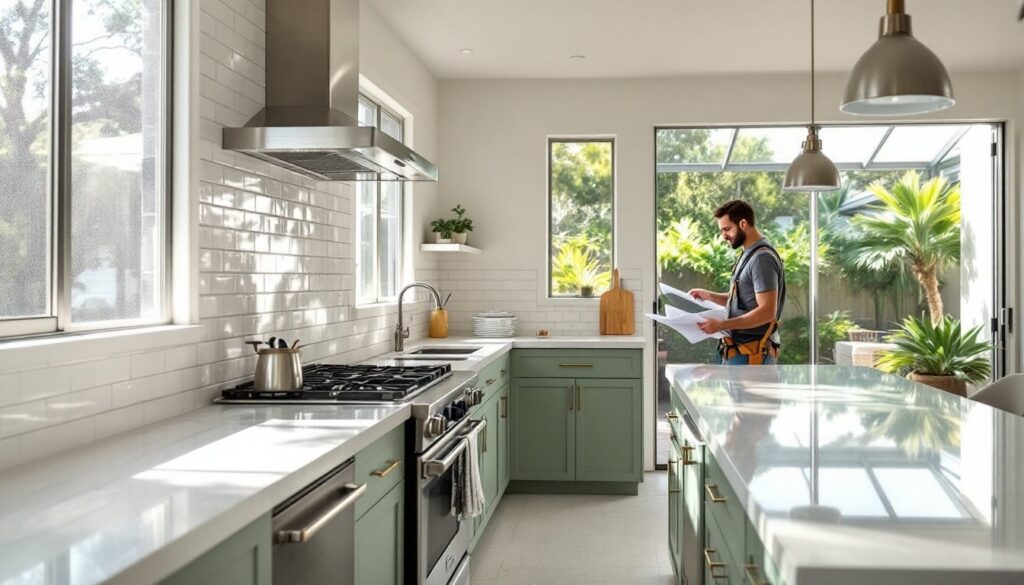
Kitchen and bathroom remodels consistently rank among the highest-ROI projects for Orlando homeowners. Kitchens see an average return of 50–60% in resale value, making them a smart investment beyond daily livability. Focus upgrades on cabinetry, countertops (granite, quartz, or butcher block hold up well in Florida’s heat and humidity), and modern appliances that handle moisture control. Backsplashes aren’t just decorative, they protect walls from moisture damage, a real concern in Florida kitchens.
Bathroom upgrades often center on moisture-resistant materials and ventilation. Install a bathroom exhaust fan rated for your space size (typically 50–80 CFM for standard baths) to prevent mildew, a persistent problem in humid climates. Tile, stone, and waterproofed drywall (cement board) are smart choices for shower surrounds. Don’t cheap out on caulking and grout sealants: Florida’s moisture demands marine-grade products. A licensed plumber should handle any rough-in work, especially if you’re repositioning fixtures.
Outdoor Living Spaces and Screen Enclosures
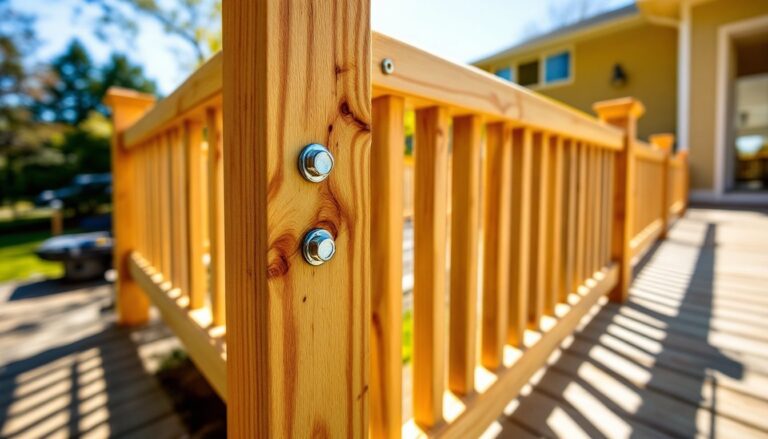
Screen enclosures and lanais are quintessentially Florida, expanding usable living space while protecting against insects, UV exposure, and afternoon rain. These aren’t cosmetic upgrades, they add tangible square footage and appeal to local buyers. A typical screen enclosure runs 12 to 16 feet in length and requires concrete footings below the frost line (typically 12–18 inches in Central Florida), structural posts, and aluminum framing with either 200-mesh screen or tempered glass panels.
Building codes in Orange County and surrounding areas mandate that enclosures meet wind-load standards (important given hurricane season). You’ll likely need a permit and inspections: a licensed contractor familiar with local code enforcement is essential here. The investment, typically $8,000 to $20,000 depending on size and materials, pays off in comfort and home value. Pavers, composite decking, and mature landscaping around outdoor spaces create cohesive, resort-like retreats that resonate with Orlando’s lifestyle.
Planning Your Orlando Remodeling Project
Setting Your Budget and Timeline
Nail down a realistic budget before breaking ground. Use free cost estimators and project planning tools to benchmark typical expenses for kitchen remodels (often $50,000–$150,000 for mid-range work), bathroom upgrades ($10,000–$35,000), and outdoor enclosures ($8,000–$20,000). Remember that prices vary by contractor experience, material quality, and current supply availability. Add a 15–20% contingency buffer for unforeseen issues, hidden water damage, outdated electrical systems, or structural surprises discovered during demolition aren’t rare in older Orlando homes.
Timeline expectations: a kitchen remodel typically takes 6–12 weeks: a bathroom, 4–8 weeks. Screen enclosures can be installed in 2–4 weeks if weather cooperates. Rain, inspections delays, and material backorders can stretch timelines. Discuss phase milestones and payment schedules upfront with your contractor, never pay the full amount upfront. A typical arrangement: 30% down, 40% at rough-in completion, and 30% upon final inspection and approval. This protects both you and the contractor.
Finding the Right Contractor
Hiring a qualified, licensed contractor is non-negotiable. Florida requires contractors to hold a Florida Certified Contractor license (or specialized licenses for electrical, plumbing, and HVAC work). Verify licensing through the Florida Department of Business and Professional Regulation (DBPR) website. Don’t skip this step, unlicensed work voids warranties and leaves you liable if injuries occur on your property.
Get at least three detailed bids, and scrutinize them closely. Bids should itemize labor, materials, permit costs, and timelines. The cheapest bid often signals corner-cutting or inexperience. Check references, call at least two past clients and ask about quality, timeliness, and cleanliness. Online platforms like Angi and HomeAdvisor offer contractor reviews and cost guides for Orlando projects, giving you data to compare estimates. Verify insurance (liability and workers’ compensation) before signing: this protects you if accidents happen.
Discuss how decisions get made during the project. Will your contractor present options in writing? What happens if you want to change the scope mid-project? Clear communication prevents friction and surprise bills. A professional contract includes a start date, completion date, payment schedule, lien waivers, and a change-order process. Ask your contractor to walk you through their project management approach, regular updates and site cleanliness matter, especially in occupied homes.
Climate Considerations for Florida Renovations
Orlando’s climate shapes every remodeling decision. Humidity and heat demand moisture-resistant materials. Standard drywall absorbs water: use cement board or moisture-resistant (MR) drywall in bathrooms, kitchens, and laundry areas. Subflooring and framing should be pressure-treated lumber or naturally rot-resistant species if moisture exposure is likely.
Ventilation is critical. Bathrooms and kitchens need properly sized exhaust fans (typically 50–150 CFM depending on room size) vented to the exterior, not into attics. Attic moisture accumulation leads to mold, rot, and roof damage, common, costly problems in Florida homes. Ensure your HVAC system can handle humidity control: many Orlando homes benefit from upgraded cooling capacity or whole-home dehumidification during the wet season.
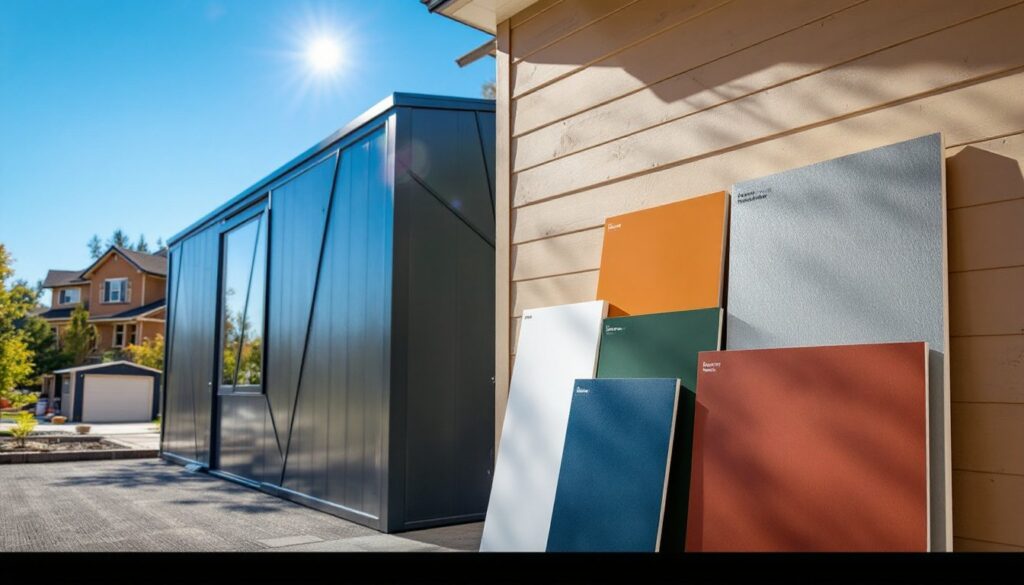
When selecting paint, primer, and sealants, choose exterior-grade or mildew-resistant formulations. UV exposure fades colors quickly, so light or neutral tones hold up better than dark hues in direct sun. For outdoor structures, aluminum and composite materials outperform wood in the long term, though higher upfront costs apply. Consider hurricane-impact windows and doors if you’re renovating, they meet Florida code, improve energy efficiency, and increase home value. Finally, grade and drainage around your home matter. Orlando sits in a flatland with high water tables: poor grading can direct water toward foundations, causing cracks and mold. Discuss drainage improvements as part of any major renovation.
Starting Your Remodeling Journey
Home remodeling in Orlando requires planning, local expertise, and honest conversations with your contractor. Whether you’re upgrading a kitchen, adding an outdoor living space, or improving moisture control throughout your home, respecting Florida’s climate and building codes protects your investment. Start with clear goals, realistic budgets, proper permits, and licensed professionals. Your Orlando home will thank you for it.