
Tiny house living has shifted from niche trend to mainstream option, and building kits are making it more accessible than ever. Whether you’re drawn to sustainability, affordability, or minimalism, a tiny house building kit removes much of the guesswork from the construction process. These kits arrive with pre-cut materials, detailed plans, and everything engineered to fit together, no need to hire an architect or spend months coordinating custom builds. But they’re not one-size-fits-all. Understanding what’s available, what each option demands, and whether you’re genuinely prepared for the work ahead matters before you commit time and money. This guide walks you through the landscape of tiny house kits in 2026, helping you pick the right fit and understand what actually comes next.
Table of Contents
ToggleKey Takeaways
- Tiny house building kits eliminate design complexity by providing pre-cut materials, detailed plans, and everything engineered to fit together, making construction accessible to those without professional experience.
- Prefab, modular, and container-based tiny house kits range from $40,000 to $120,000 before land and finishing, offering significant savings compared to traditional site-built homes while reducing construction timelines.
- Before committing to a tiny house kit, verify local zoning laws and regulations, as jurisdictions have varying size restrictions, foundation requirements, and whether they recognize kits as valid construction methods.
- Assembly typically takes 3-8 weeks depending on kit complexity and crew size, but budget 4+ months total when factoring in foundation curing, permitting, inspections, and finish work.
- Evaluate your actual skill level honestly and budget for licensed trades on electrical and plumbing, as most jurisdictions require professional sign-off regardless of who performs the installation.
- Choose a manufacturer with a proven track record, completed projects you can verify, and clear instruction support, as newer manufacturers often underestimate assembly time and omit critical building details.
What Are Tiny House Building Kits and Why They’re Gaining Popularity
A tiny house building kit arrives with everything pre-engineered and often pre-cut: wall frames, roof trusses, doors, windows, and sometimes interior components. You aren’t building from raw lumber and architectural plans: instead, you’re assembling a puzzle where the pieces fit by design. Kits typically range from 400 to 1,200 square feet and include detailed instructions that walk you through assembly.
The appeal is straightforward. Traditional home construction demands weeks of design, permitting, ordering materials from multiple suppliers, and correcting mistakes as they appear. Kits collapse that timeline and reduce waste. A recent analysis of tiny house, driven partly by affordability concerns and a growing interest in sustainable housing. Many kits cost $40,000 to $120,000 before land and finishing work, substantially less than site-built homes in many regions.
They also attract people who lack construction experience but want to build their own space. Pre-cut materials mean fewer costly mistakes. Assembly is closer to large-scale furniture building than traditional framing, which appeals to motivated homeowners willing to invest weekends rather than years into construction.
Types of Tiny House Kits Available Today
Prefab and Modular Options
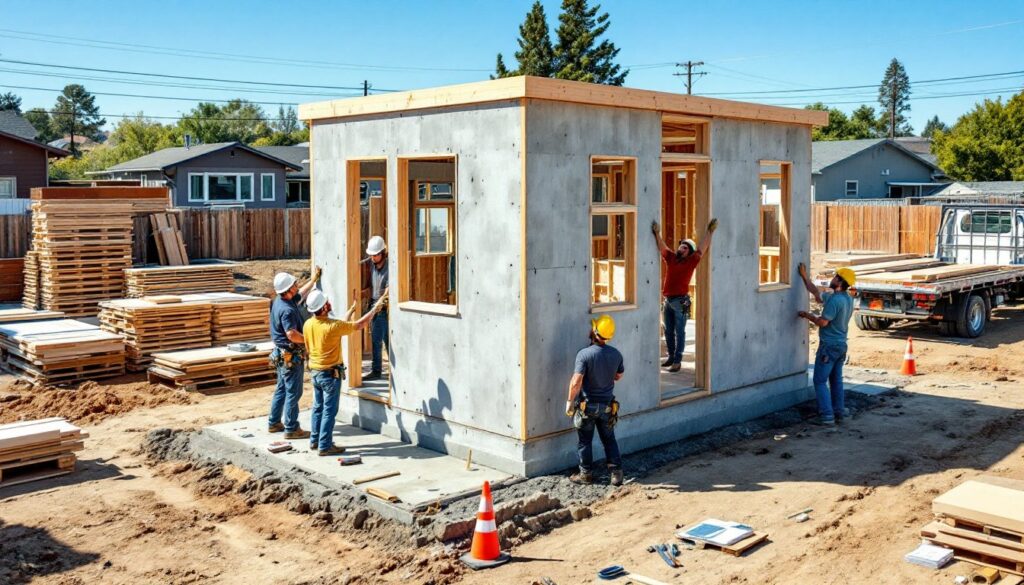
Prefabricated kits arrive with the structural frame, subflooring, and roof sheathing already assembled or pre-cut and ready to bolt together on-site. These typically require a solid foundation and basic tools: a circular saw, drill, level, and measuring tape. Wall panels arrive as units that you raise and brace. Roof trusses come pre-built: you’re fastening them to the top plates rather than building them from individual boards.
Modular kits take this further: sections of your home come factory-finished, with interior framing, electrical rough-in, and sometimes drywall complete. You’re essentially connecting modules together and running final utilities. This approach cuts on-site labor dramatically, a modular tiny house might take 4-8 weeks to assemble versus 12-16 for traditional prefab options. The trade-off is less flexibility in customization and higher upfront costs.
Both approaches rely on detailed instruction manuals and engineering drawings. Read reviews and ask the manufacturer about clarification support before ordering. Some provide video walkthroughs: others rely on PDF documents alone.
Container-Based Kits
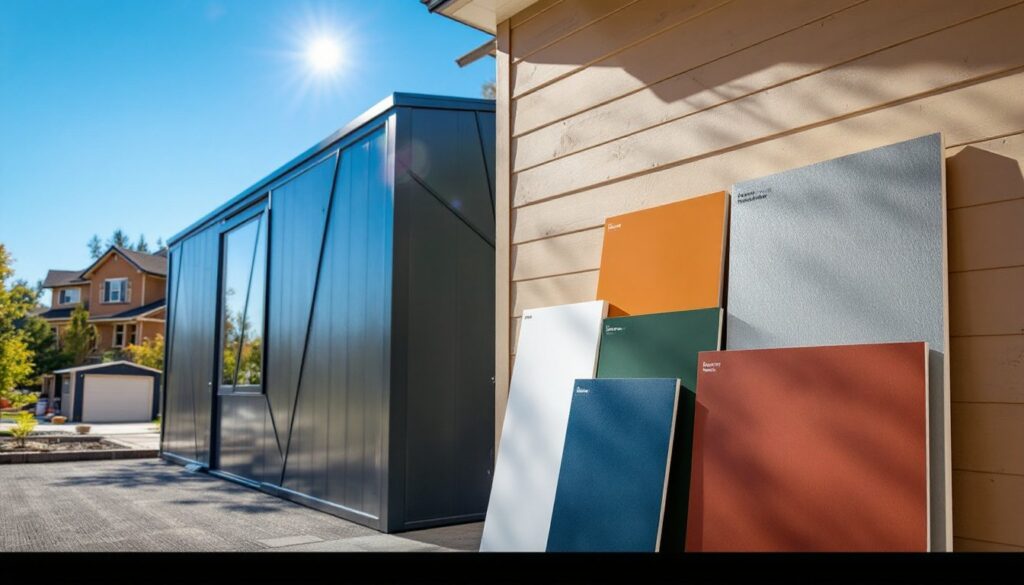
A few manufacturers repurpose shipping containers as the structural core of tiny homes, adding framing, insulation, windows, and doors to create weathertight shells. A single 20-foot container provides roughly 160 usable square feet: stacking or joining containers expands space. Container kits appeal to aesthetics and sustainability messaging, though they come with quirks: interior headroom is limited (typically 7.5 to 8 feet), insulation requirements are specific to prevent condensation, and shipping container materials require careful assessment for chemical residue.
Container-based kits tend to cost more than equivalent-sized prefab wood-frame homes due to preparation and specialized reinforcement work. They’re best suited for people who prioritize the visual identity of a container home over cost efficiency. Before committing, verify that the manufacturer has actual completed projects, not just renderings.
How to Choose the Right Kit for Your Needs and Budget
Start by clarifying your actual constraints. How much usable square footage do you genuinely need? A 600-square-foot home feels radically different lived in than imagined on paper. If you’re planning to work from home, you need dedicated space for a desk that isn’t your kitchen counter.
Next, assess your site. Tiny houses still need a foundation, typically a concrete pad, frost-protected shallow foundation (FPSF), or pier-and-beam system, depending on your climate and local code. Most kits don’t include foundation work: you’ll hire a local contractor. Budget $3,000 to $15,000 for foundation prep depending on site difficulty and regional costs. Visit the lot during rain to understand drainage. A kit won’t fix a soggy site.
Evaluate your actual skill level honestly. Prefab kits marketed as “beginner-friendly” still demand precision. Walls must be plumb: the roof has to be square. Small errors compound. If you’ve never framed a wall or run electrical, factor in either steep learning curves or hiring experienced helpers. Many builders bring in friends or hire a crew for critical stages, raising walls and securing the roof.
Review the manufacturer’s track record. How long have they been in business? Do they have completed projects you can visit or video walkthroughs of actual builds? Newer manufacturers sometimes underestimate assembly time or omit critical details from instructions. Compare pricing carefully: some kits include windows and doors: others charge separately. Factor in shipping, cost scales with distance and kit weight.
Finally, understand what you’re building on construction ideas that suit your lifestyle and budget. A kit is the framework, not the finished home. You’ll still need to finish interiors, install utilities, and address site-specific challenges.
Building Your Tiny House: What to Expect
Expect the process to follow a familiar sequence: site prep, foundation, assembly, rough-in utilities, and finish work. The kit covers the structural assembly phase: everything before and after is on you.
Once your foundation cures (28 days for concrete pads, longer for certain systems), the kit arrives, often in a shipping container or on a flatbed. Unload and organize materials immediately. Verify that everything arrived according to the parts list. Missing pieces mid-project create frustrating delays.
Assembly typically takes 3-8 weeks depending on the kit complexity, your crew size, and weather. Wall assembly comes first: frames go down, are braced plumb, and are fastened to the foundation. Windows and doors install as you go. Roof trusses are raised next. This phase demands precision, it’s where mistakes telegraph through the rest of the build. Many builders tackle wall raising with 4-6 helpers. It’s possible solo with temporary bracing, but it’s slower and riskier.
Once the structure is weather-tight, you transition to rough-in work: electrical, plumbing, and HVAC if your kit includes it. Some manufacturers pre-run wire or water lines in wall cavities, reducing your work. Others leave it entirely to you. Rough-in demands familiarity with code or willingness to hire licensed trades. Many jurisdictions require a licensed electrician to sign off on electrical work regardless of who installs it.
Finish work, drywall, flooring, painting, cabinetry, follows typical renovation pacing. Expect this phase to stretch longer than framing because it’s detail-intensive and less forgiving of errors. A single drywall panel hung crooked is visible: a misframed wall gets hidden behind it.
Throughout assembly, keep the work site organized, use proper PPE (safety glasses, work gloves, and ear protection during loud tasks), and never skip steps even if they feel redundant. Tiny homes pack tighter than conventional houses: a framing error that’s cosmetic in a 2,000-square-foot house becomes a spatial disaster when you’re living in 700.
Permits, Regulations, and Legal Considerations
This is where enthusiasm meets reality. Tiny houses occupy a murky regulatory space. Some jurisdictions welcome them: others ban dwelling units under certain sizes or don’t recognize kits as valid construction methods. Before buying a kit, contact your local building department and ask directly: Can I legally build a tiny house here? What size restrictions exist? What foundations and utilities are required?
Most jurisdictions require a building permit for any structure, even tiny ones. Permits cost money (usually $300–$1,500 depending on the structure’s value) and demand that your plans meet local building code. Many kit manufacturers provide plans stamped by an engineer: verify they meet your jurisdiction’s adopted code edition (typically the International Residential Code or IRC, though states and municipalities vary).
Setback and lot-size requirements matter too. A tiny house on wheels might legally be an RV, not a dwelling, in some areas, useful for temporary placement but problematic if you’re seeking permanent residency. A fixed tiny house on a foundation faces standard lot requirements: minimum lot size, setbacks from property lines, and sometimes minimum home size (which tiny houses violate). Zoning for multifamily housing or accessory dwelling units (ADUs) often sidesteps size restrictions, but not everywhere.
Electrical and plumbing work typically requires licensed trades or permits even if you do the labor yourself. The National Electrical Code (NEC) governs safe electrical installation: local plumbing codes address water and waste systems. Many jurisdictions require final inspection by a professional. Skipping permits doesn’t make the work disappear, it creates liability if something fails, forfeits insurance coverage, and tanks resale value.
Budget time and money for permitting and inspections. It’s not glamorous, but it’s non-negotiable. A 6-week build might stretch to 4 months once you factor in plan review, inspections, and code corrections. Starting with a clear understanding of local requirements saves months of frustration later.