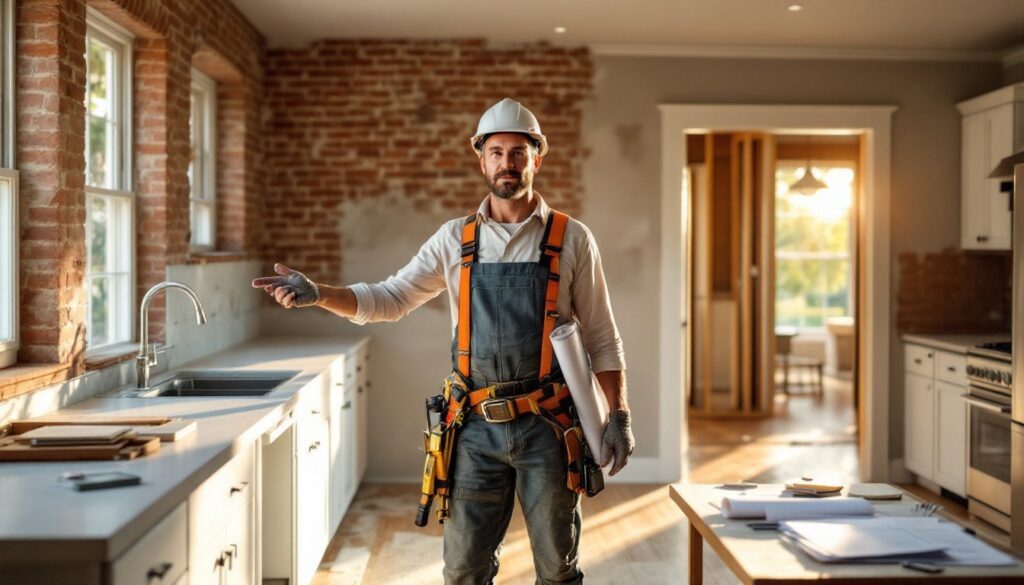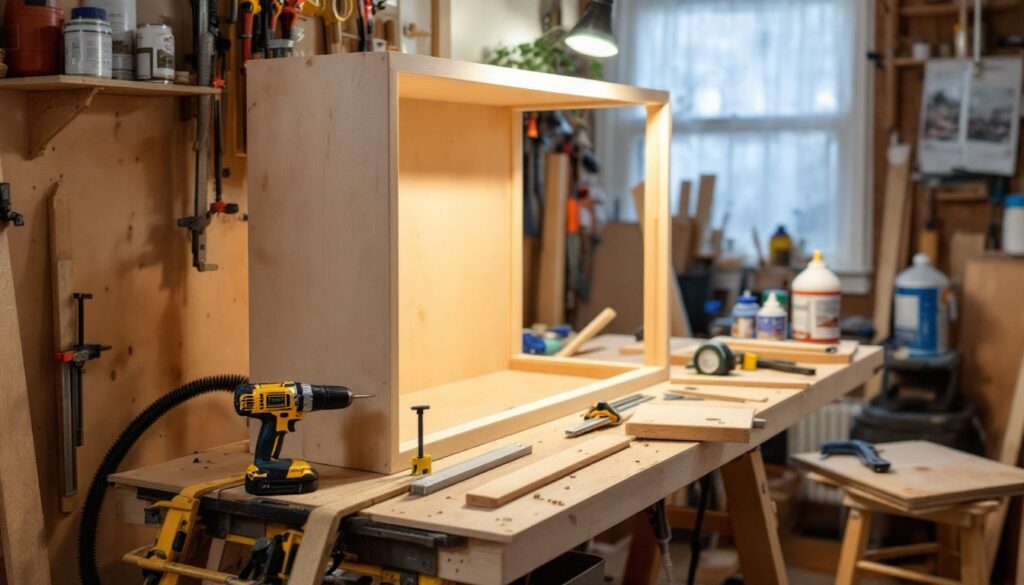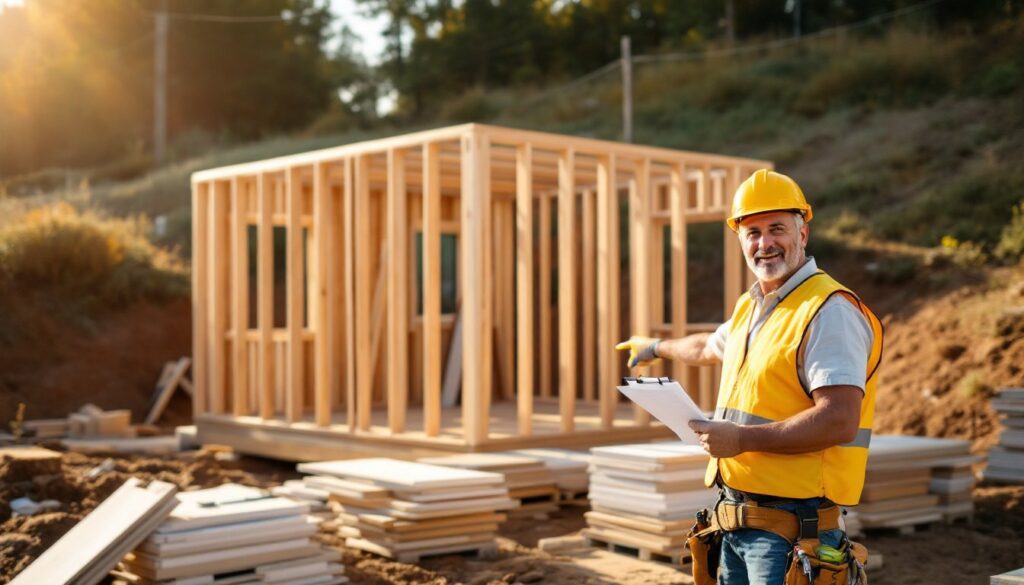

Building a tiny house offers an attractive alternative to traditional home construction, lower land costs, minimal ongoing maintenance, and sometimes even mortgage-free living. But figuring out the real cost of building a tiny house requires looking beyond the headline number. Total expenses typically range from $30,000 to $150,000 depending on your location, materials, whether you’re hiring labor or going DIY, and whether you’re building on a trailer or a permanent foundation. Understanding the breakdown helps you plan accurately and avoid surprises when the build is underway.
Table of Contents
ToggleKey Takeaways
- The cost of building a tiny house ranges from $30,000 to $150,000 depending on location, materials, labor approach, and foundation type.
- DIY builders typically spend $150–$300 per square foot, while professional contractors charge $250–$500 per square foot, making labor the biggest budget lever with potential 30–50% savings.
- Foundation and site preparation represent your largest fixed costs: mobile trailers cost $6,000–$15,000 total, while permanent foundations run $3,000–$15,000 plus utilities ($5,000–$20,000).
- Material and interior finish expenses dominate the build: framing ($4,000–$8,000), roofing ($2,000–$5,000), windows ($1,500–$4,000), and plumbing/electrical ($3,500–$9,000) together account for the majority of costs.
- Reducing tiny house building costs requires strategic choices: use reclaimed materials, buy during off-season, simplify design with rectangular footprints, and hire contractors selectively for specialized work like electrical and plumbing.
- Plan with a 10–15% budget cushion, research regional costs in your area, lock in contractor quotes early, and get multiple bids to avoid mid-build price surprises.
Average Tiny House Building Costs
A typical tiny house costs between $45,000 and $75,000 to build, though this figure shifts based on whether you source materials locally, hire a contractor, or handle much of the work yourself.
If you’re building a 400-square-foot structure on a mobile foundation (the trailer kind), expect the lower end of the range. A permanent foundation tiny house at the same square footage climbs noticeably higher because of site prep and foundation work. According to building cost data, DIY builders often report spending $150 to $300 per square foot, while professionally built tiny homes run $250 to $500 per square foot, roughly in line with larger custom homes.
These figures assume standard materials: dimensional lumber, asphalt shingles, basic insulation, and standard electrical and plumbing fixtures. Upgrading to high-performance insulation, hardwood flooring, energy-efficient windows, or custom features easily pushes you past $100,000. A fully outfitted, move-in-ready tiny home in a desirable market can exceed $150,000.
Factors That Influence Your Total Budget
Your actual spend depends on a handful of non-negotiable variables. The biggest lever is your labor: doing the work yourself cuts costs by 30–50%, but demands time, skill, and tool investment. Material quality matters too, recycled versus new lumber, forgiving drywall versus plaster, low-E windows versus standard glass. Location determines subcontractor rates, permit fees, and material availability. And the choice between a trailer-based design and a site-built foundation reshapes your entire budget.
Foundation and Site Preparation
Foundation work is where many DIY tiny house builders face their first shock. A mobile tiny house on a trailer costs the trailer itself ($5,000 to $12,000) plus leveling blocks, anchors, and skirting ($1,000 to $3,000). Most builders can handle this with hand tools and a basic understanding of level and plumb.
A permanent, ground-level foundation, whether a concrete slab, pier-and-beam, or frost-protected shallow foundation (FPSF), runs $3,000 to $15,000 depending on soil conditions, frost depth (which varies by jurisdiction), and site prep needed. Frost depth matters because building codes require footings to be below the frost line to prevent heaving during freeze-thaw cycles. If your site is sloped, inaccessible, or has poor drainage, costs escalate. Many jurisdictions require an engineer’s stamp on permanent foundations, adding $500 to $2,000 in design fees. This is not DIY territory unless you have serious experience, hire a foundation contractor or engineer.
Site prep, clearing brush, grading, and ensuring drainage, adds another $1,000 to $5,000 if the land isn’t already level. Utilities (water, sewer, electric rough-in) vary wildly by location: a septic system and well on undeveloped land can run $5,000 to $20,000 together.
Materials and Labor
After the foundation, your framing and enclosure costs dominate. Framing lumber for a 400-square-foot structure (including walls, roof, and interior partitions) typically costs $4,000 to $8,000 in 2026, assuming standard 2×4 wall construction and dimensional roof framing. Engineered lumber or heavy timber costs more: studs, joists, and rafters must meet local building codes for snow load, wind speed, and seismic zone.
Roofing, shingles, felt, flashing, and the sheathing beneath, runs $2,000 to $5,000. Windows and exterior doors cost $1,500 to $4,000 depending on quality and whether you prioritize insulation (crucial in tiny houses where insulation density matters more). Siding or cladding adds $2,000 to $6,000: fiber cement or metal costs more than vinyl but lasts longer.
Interior finishes, drywall, flooring, paint, trim, consume $4,000 to $12,000. Plumbing fixtures and rough-in plumbing (supply lines, drains, vents, water heater) cost $2,000 to $5,000 for a modest setup. Electrical rough-in (wire, boxes, breaker panel per NEC code) runs $1,500 to $4,000, this often requires a licensed electrician depending on your jurisdiction.
HVAC in a tiny house is simpler than a full home but still essential: a compact heat pump or ductless mini-split system costs $2,000 to $5,000 installed. Insulation is critical in a small footprint: spray foam, rigid foam, or fiberglass batts run $1,500 to $3,500 total.
Labor, if you hire it, typically runs 40–60% of hard material costs. A contractor billing at $50 to $80 per hour for framing, electrical, or plumbing adds up quickly. Many tiny house builders hire selectively: professional help for foundation, electrical, plumbing, and roof, then DIY framing and finishes. According to resources like home service provider reviews, getting multiple bids from local contractors reveals regional rate differences that can swing your budget by thousands.
Ways to Reduce Your Building Costs
Every dollar saved matters on a fixed budget. The most direct lever is sweat equity: frame it yourself, paint, install trim, and finish drywall if you’re willing to learn. YouTubers and online communities share real builds: watch someone frame a 12×32-foot wall before you swing a hammer.
Use reclaimed or salvage materials where code allows. Flooring, siding, doors, and interior trim from deconstruction sites cost 40–60% less than new. Verify they meet any relevant code requirements, some reclaimed lumber lacks proper treatment or grading stamps.
Buy materials during off-season (late fall and winter in many regions) when prices dip. Lumber, drywall, and roofing materials fluctuate seasonally: timing your purchase saves 5–15%. Joining a local builder’s supply co-op or buying through a contractor’s account sometimes earns discounts on volume.
Simplify the design: rectangular footprints are cheaper than complex angles. A single-pitch roof costs less than a gable. Fewer windows lower costs and are easier to insulate well. One bathroom instead of two saves thousands in plumbing.
Use standard materials and sizes: custom dimensions, specialty fasteners, and unusual specifications drive up labor and material waste. Design around common lumber sizes, 16-inch on-center framing, standard stud heights, common rafter pitches.
According to cost guides for home renovation, planning ahead with a firm material list and locking in contractor quotes early prevents mid-build scrambling and price creep. And before breaking ground, research average costs to build a tiny house in your specific region: your actual numbers will be more reliable than national averages.
Conclusion
Building a tiny house in 2026 is feasible at $30,000 to $150,000 depending on your choices, location, and labor. Foundation and utilities represent your biggest fixed costs: smart material choices and selective DIY work deliver real savings. Start with a detailed project plan, get multiple contractor bids, and leave 10–15% budget cushion for the unexpected. Tiny houses reward careful planning more than larger builds because every trade-off shows up in the final square footage and cost.